

What Are American Hardwood Species? A Complete Guide to Domestic Wood
Why Good Firewood Rack Plans Save You Time, Money, and Frustration
Good firewood rack plans make the difference between wood that burns cleanly and wood that smokes, sputters, and refuses to light. If you need a quick answer before diving in, here's what you need to know:
Quick-Start: What a Basic Firewood Rack Plan Needs
- Elevated base - Keep wood off the ground to block moisture and pests
- Sturdy frame - Use pressure-treated 2x4s or rot-resistant cedar for the structure
- Sloped roof or cover - A corrugated metal roof with overhang keeps rain and snow off
- Airflow - Open sides let wind circulate so wood dries faster
- Right size - Most DIY racks hold between 1/3 cord and 3/4 cord (a full cord is 4 ft x 4 ft x 8 ft)
Most builds cost between $90 and $200 in materials and take just a few hours to complete.
Wet firewood is one of the most common and easily avoided problems for anyone with a fireplace or wood stove. When wood holds too much moisture, it burns inefficiently, produces excess smoke, and causes creosote to build up in your chimney. The fix is simple: store your firewood in a well-built rack that keeps it dry, off the ground, and exposed to moving air.
The good news is that building your own rack is one of the most beginner-friendly DIY projects you can take on. Whether you want a simple open frame for the back porch or a fully covered outdoor storage shed, there are plans to match your skill level, budget, and space.
This guide walks you through everything — from choosing the right materials and design to seasoning your wood properly so it burns at its best.

Choosing the Right Wood: Hardwood vs. Softwood for Firewood Storage
When preparing to build a project from firewood rack plans, it is important to understand the fundamental differences between wood categories. In the building and design industries, we distinguish clearly between softwoods (typically used for structural framing) and solid hardwoods (prized for high-durability applications, interior finishes, and premium firewood).
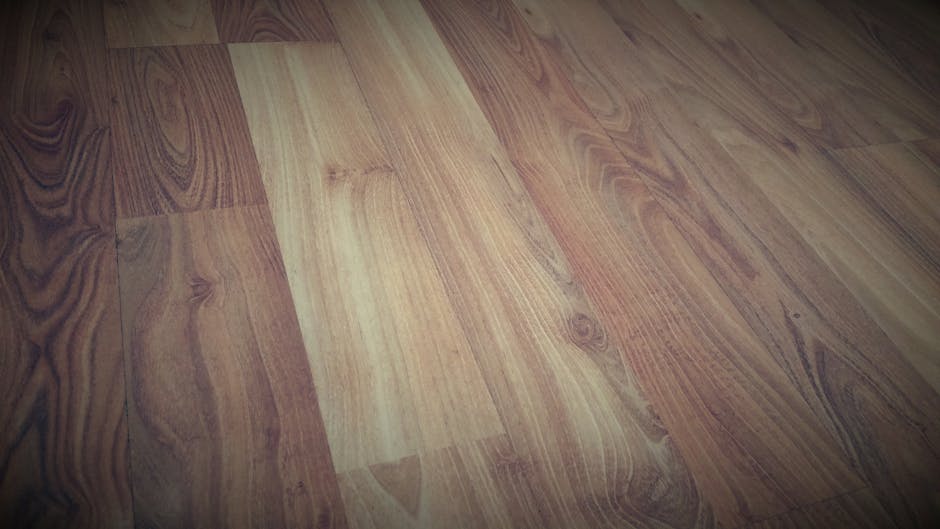
For the structural framing of an outdoor firewood rack, softwoods like pressure-treated Southern Yellow Pine or Western Red Cedar are highly recommended. Cedar offers natural weather and rot resistance while remaining lightweight. Pressure-treated softwood framing lumber is chemically formulated for ground contact, making it a highly durable, cost-effective choice for the base and upright posts that brave the elements.
However, when it comes to the firewood itself, domestic hardwoods are the gold standard. Hardwood species like Oak, Maple, Hickory, and Ash have high Janka hardness ratings—meaning they are incredibly dense. This high density translates to a much higher energy output (BTUs) and a longer, cleaner burn compared to softwoods.
Our domestic hardwood forests are managed with the highest standards of sustainability. According to USDA forest inventory data, American hardwood forests are growing at a rate 2.5 times faster than they are harvested. This incredible rate of natural regeneration means that choosing domestic hardwood is an environmentally responsible choice. Furthermore, look for materials backed by credible forest sustainability certifications like the Forest Stewardship Council (FSC) and the Sustainable Forestry Initiative (SFI).
When selecting hardwood for interior accents, furniture, or decorative indoor log holders, understanding National Hardwood Lumber Association (NHLA) grading rules is helpful. NHLA grades like FAS (First and Seconds) represent the highest quality, clearest cuts of lumber, while Common grades offer beautiful natural character. For high-end outdoor applications, thermally modified hardwood is an innovative, chemical-free option that provides exceptional rot resistance and rich, darkened tones.
Selecting the Best Firewood Rack Plans for Your Home
Choosing the ideal firewood rack plans depends on your space, budget, and wood consumption. To choose the right size, you must understand standard cord measurements:
- Full Cord: Measures 4 feet high by 4 feet wide by 8 feet long (128 cubic feet of stacked wood).
- Face Cord (or Rick): Measures 4 feet high by 8 feet long, but is only as deep as a single log length (typically 12 to 16 inches).
- DIY Rack Capacity: Most backyard DIY racks are designed to hold between 1/3 cord and 3/4 cord, which is more than enough for casual fireplace users or backyard fire pit enthusiasts.
Proper storage keeps your wood's moisture content below 20%, which is the target threshold for efficient, low-smoke burning. To help you choose the right path, you can explore various options, such as the 6 Free Firewood Rack Plans for Storage - The Spruce.
- Simple 2x4 open rack: Holds about 1/3 to 1/2 cord. Beginner-friendly. Usually costs $40 to $70. Best for porches, decks, and quick weekend builds.
- Covered firewood shed: Holds about 1/2 to 1 cord. Intermediate skill level. Usually costs $100 to $200. Best for rainy climates and longer seasoning.
- Rolling firewood cart: Holds about 1/8 cord. Intermediate skill level. Usually costs $50 to $90. Best for moving wood from the yard to the hearth.
- Welded steel rack: Holds about 3/4 face cord. Advanced skill level. Usually costs $120 to $180. Best for durable, industrial-style outdoor storage.
Simple DIY Firewood Rack Plans for Beginners
If you are new to woodworking, you do not need a shop full of advanced tools to build an excellent storage solution. Many beginner-friendly firewood rack plans utilize standard, off-the-shelf 2x4 lumber.
For instance, the Simple Step-by-Step Plans to Build a DIY Firewood Rack highlight how you can construct a highly functional, beautiful rack using affordable materials like pressure-treated 2x2s, cedar fence pickets, and pocket-hole joinery. Using a pocket-hole jig allows you to create incredibly strong joints with no visible screw heads, ensuring the rack looks clean and professional.
Other beginner options include the DIY Firewood Rack | Free Plans • Ugly Duckling House, which uses just three cedar 2x4s to create a compact, elegant vertical rack perfect for a front porch. If you prefer using specialized woodworking jigs, the Firewood Storage Rack | Kreg Tool guide offers excellent, highly detailed diagrams. For a classic, straightforward build, the How to Build a Firewood Rack (DIY) | Family Handyman project utilizes pressure-treated 2x4s and basic construction screws, taking only a few hours to complete.
Advanced Covered Firewood Rack Plans for Maximum Protection
For those who live in climates with heavy snow or frequent rain, an open rack might not provide enough protection. Upgrading to a design with a sloped canopy and a corrugated metal roof ensures your firewood stays bone-dry through the worst winter storms.
A sloped roof is crucial because it sheds water away from the wood stack. Adding a roof overhang of at least 1 foot on all sides prevents wind-blown rain from soaking the ends of your logs. When building a larger, covered structure, utilizing heavy-duty structural fasteners is highly recommended.
The project detailed in Making a DIY Covered Firewood Rack Holder - Building Strong Blog demonstrates how to build a heavy-duty, double-deep covered rack using structural screws. This design allows you to stack two rows of firewood back-to-back under one protective roof, doubling your storage capacity without taking up double the yard space.
To explore more covered options, you can look at How to Build a DIY Fire Wood Rack (FREE PLANS) - AT Improvements, which features a gorgeous walnut-stained aesthetic with a corrugated metal roof. For a comprehensive, highly durable backyard build, the guide at How To Build A DIY Outdoor Firewood Rack | Wilker Do's walks you through constructing a beautiful Western Red Cedar storage shed with an angled roof and a raised deck base.
Health, Wellness, and Indoor Wood Storage Best Practices
While outdoor racks are essential for the primary seasoning process, keeping a small, stylish supply of firewood indoors near your hearth is incredibly convenient. However, indoor wood storage must be approached with health and wellness in mind—particularly regarding indoor air quality (IAQ).

Solid American hardwood products, such as flooring, cabinetry, and custom indoor log holders, play a significant role in maintaining a healthy indoor environment. According to GREENGUARD certification standards, solid wood products contribute to healthier indoor air quality by minimizing chemical exposure. Hardwoods do not harbor the same health hazards as synthetic materials or carpeting.
Summary of Health Benefits
- No Fiber or Allergen Trapping: Unlike carpets or fabric storage bins, solid hardwood surfaces do not trap dust mites, pet dander, pollen, or mold spores, a benefit recognized in European epidemiological studies on indoor allergens.
- No VOC Off-gassing: When finished with natural oils or water-based finishes, solid hardwood complies with strict VOC standards, such as GREENGUARD Gold and CARB Phase 2, ensuring your family breathes clean air.
- Ease of Cleaning: Hardwood surfaces can be wiped down quickly, preventing dust buildup.
- Lower Microbial Retention: Hardwood possesses natural antimicrobial properties that limit the survival of bacteria and viruses on its surface compared to plastics or synthetics, as documented in European microbiological research.
Beyond physical health, incorporating natural hardwood elements into your home taps into biophilic design—the practice of connecting indoor spaces with the natural world. According to European studies on biophilic design, the visual presence of real wood grain reduces cortisol levels, lowers blood pressure, and significantly reduces stress.
To ensure your indoor firewood storage does not compromise your IAQ, only bring in wood that has been fully seasoned outdoors. Unseasoned or damp wood can harbor mold spores and pests. Keep your indoor log holder clean, elevated off your flooring, and stocked only with the wood you plan to burn over the next few days. For more detailed information on how domestic wood products support a healthy home, read about hardwood health benefits.
Indoor Wood Storage FAQ
- Does indoor wood storage cause mold? Only if the wood is damp. Fully seasoned wood (under 20% moisture) stored in a dry, ventilated indoor holder does not promote mold growth.
- How does solid wood improve indoor air quality? Solid wood products certified by GREENGUARD emit minimal volatile organic compounds (VOCs) compared to synthetic materials, preventing indoor air pollution.
Step-by-Step Guide to Building and Seasoning Your Firewood
Building a great rack is only half the battle; how you prepare and stack your wood determines how well it will burn.
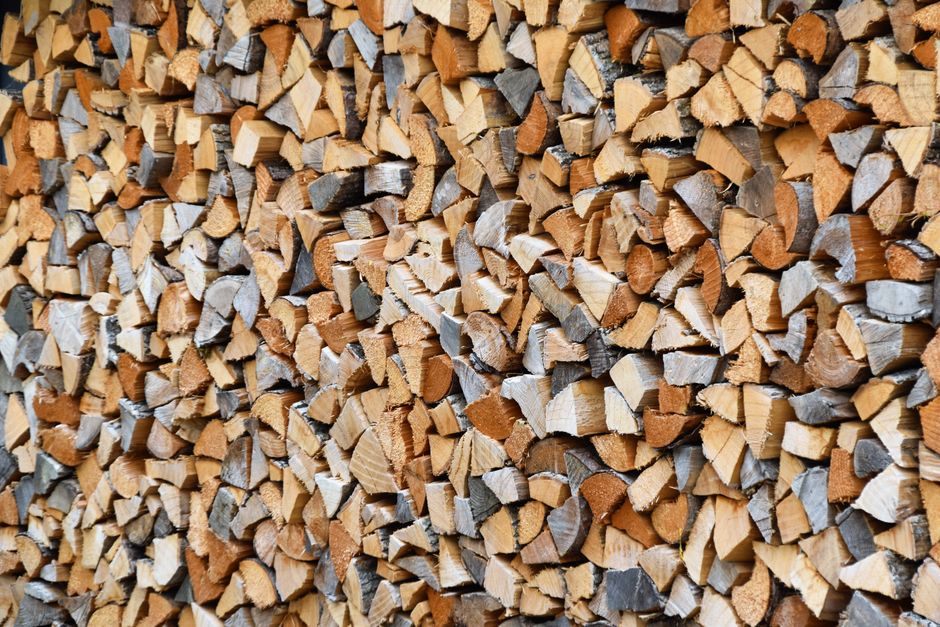
To get the most out of your firewood, follow these essential seasoning rules:
- Split the Wood First: Splitting logs exposes the interior wood fibers to wind and sunlight, which dramatically accelerates the drying process. Round logs with bark intact trap moisture inside, leading to rot rather than seasoning.
- Elevate the Base: Never stack firewood directly on the soil. Soil moisture will wick up into the bottom rows of wood, causing decay and attracting termites. Ensure your firewood rack plans feature a base raised at least 4 to 6 inches off the ground. Resting your rack's wooden base directly on concrete pavers or cinder blocks protects the wood from ground contact and reduces structural stress on the fasteners.
- Maximize Airflow: Air circulation is the primary vehicle for drying wood. Stack your logs in loose, neat rows. Avoid tightly packing the wood or stacking it flush against a solid wall. Leave a few inches of space behind the rack to let the wind pass through.
- Mind the Seasoning Times: Softwoods (like pine or fir) typically require at least 6 months of seasoning to dry. Dense domestic hardwoods (such as oak, hickory, and maple) require at least 12 months to reach the ideal moisture content of under 20%.
For official guidelines on clean wood-burning practices and how to build efficient, low-emission wood storage, refer to the Build Firewood Storage | US EPA resource.
Frequently Asked Questions About Firewood Storage
How long should you season firewood before burning?
Seasoning times vary depending on the wood category. Softwoods generally require a minimum of 6 months to dry. Hardwoods, because of their high density and tight cell structures, require at least 12 months of seasoning. To be absolutely sure your wood is ready to burn efficiently, use a digital moisture meter. Split a log and press the meter pins into the freshly exposed center; a reading below 20% moisture content indicates the wood is perfectly seasoned.
What is the best wood species for outdoor firewood racks?
For the structural frame of an outdoor rack, pressure-treated softwood lumber (like Southern Yellow Pine) is the most durable choice for ground contact. Western Red Cedar is another outstanding option due to its natural rot resistance, lightweight nature, and beautiful appearance. If you are building an indoor rack or a decorative porch holder, solid domestic hardwoods like Oak, Maple, or Walnut offer unmatched strength, durability, and visual warmth.
Can you store firewood indoors without affecting air quality?
Yes, but you must follow strict practices. Only bring wood indoors that is already fully seasoned, dry, and free of visible mold or active pests. According to GREENGUARD indoor air quality guidelines, storing damp wood indoors can raise humidity levels, promoting mold growth and negatively impacting indoor air quality. Keep your indoor firewood storage limited to a small, decorative supply (enough for 2 to 3 days of burning) in an easy-to-clean hardwood holder.
Conclusion
Building a dedicated wood storage solution using high-quality firewood rack plans is a rewarding DIY project that ensures your firewood burns cleanly, safely, and efficiently. By choosing sustainable materials for your home and hearth, you support the health of your family and the environment.
The Real American Hardwood Coalition is dedicated to promoting domestic wood resources. Choosing real American hardwood means choosing a truly renewable resource. According to USDA forest inventory data, our domestic forests naturally regenerate and grow 2.5 times faster than they are harvested, acting as natural carbon sinks that capture and store carbon dioxide for the lifetime of the wood. To learn more about the incredible durability, environmental benefits, and timeless value of domestic wood, visit Why Real American Hardwood.