

Does Hardwood Flooring Increase Home Value? What Appraisers and Market Data Show
Does Hardwood Flooring Increase Home Value? What Appraisers and Market Data Show
Hardwood flooring can increase a home’s value, particularly when the floors are well-maintained and appropriate for the local market. According to a recent review of hardwood flooring and home-value data, approximately 54% of homebuyers say they would pay more for a home with hardwood floors.
Although appraisers do not assign one universal dollar amount to hardwood flooring, they may recognize it as a quality feature when comparing a home with similar recently sold properties.
What Does Market Research Show About Hardwood Home Value?
Real estate research supports a strong return for homeowners who refinish existing hardwood or install new wood flooring.
The National Association of REALTORS®’ 2022 Remodeling Impact Report found that:
- Refinishing hardwood floors recovered an estimated 147% of the project cost at resale.
- Installing new wood flooring recovered an estimated 118% of the project cost.
- Both projects received a Joy Score of 10 from homeowners.
- REALTORS® estimated that refinished hardwood recovered approximately $5,000 in value from a typical $3,400 project.
- New wood flooring recovered approximately $6,500 in value from a typical $5,500 project.
These figures make hardwood flooring one of the highest-performing interior home improvements included in the report. Actual results will vary based on the home, materials, location, installation quality, and market conditions.
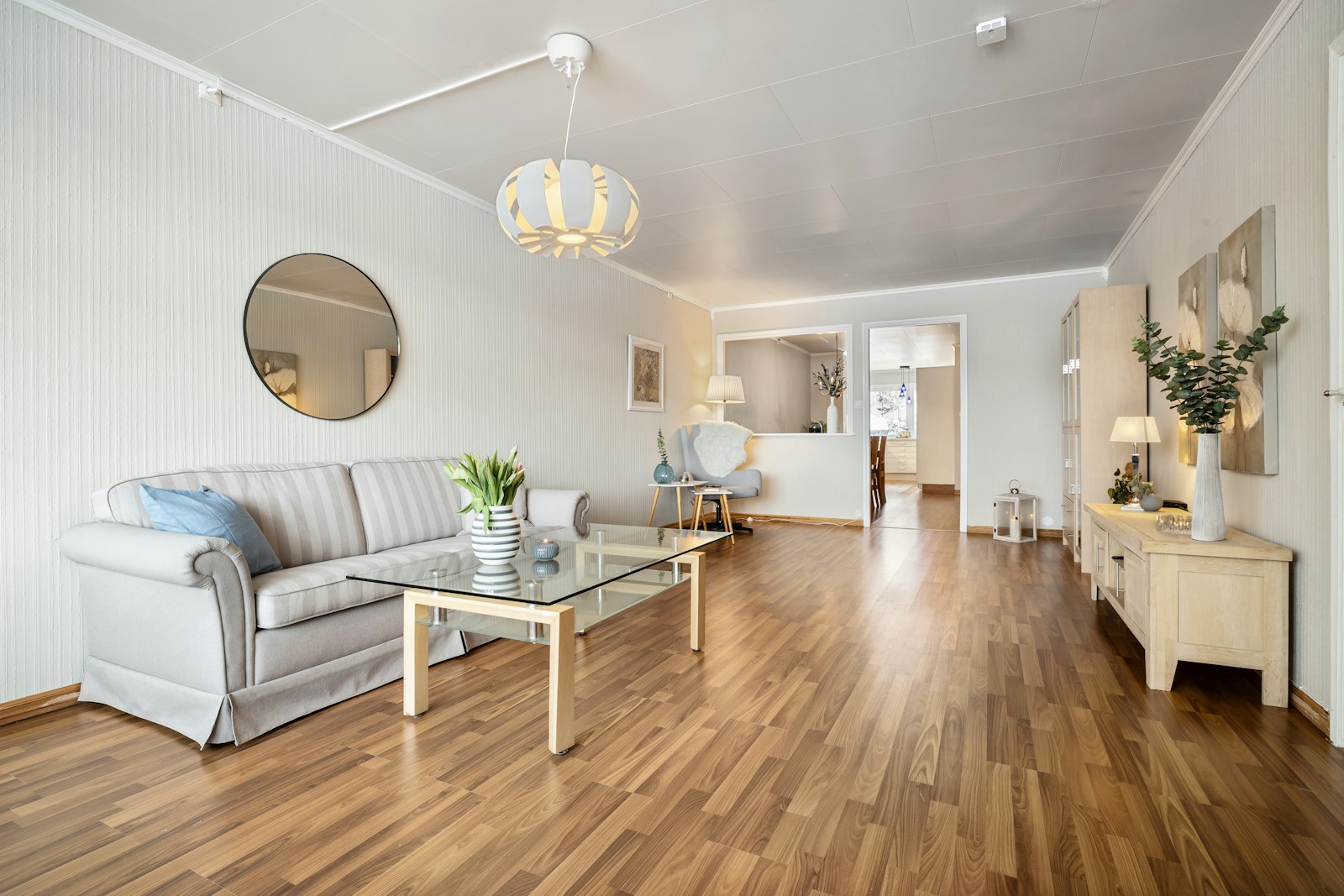
How Do Appraisers Treat Hardwood Floors Compared with Alternatives?
Residential appraisers commonly use the sales comparison approach. They analyze recently sold homes with similar characteristics and make market-supported adjustments for differences in condition, quality, materials, and other features.
Hardwood floors may support a higher valuation when comparable sales demonstrate that buyers in the local market pay more for homes with real wood flooring. The effect is often most noticeable in living rooms, dining rooms, kitchens, and primary bedrooms.
However, there is no universal per-square-foot appraisal adjustment for hardwood flooring. Its contribution depends on:
- The home’s location and price range
- The flooring’s condition and installation quality
- Whether hardwood is expected in that market
- The consistency of flooring throughout the home
- The quality of comparable properties
The National Wood Flooring Association explains that wood floors are a long-term investment because they can be maintained, repaired, and refinished rather than routinely replaced.
Hardwood vs. Carpet vs. Luxury Vinyl Plank: Resale Impact Compared
Solid Hardwood
Solid hardwood generally has high buyer appeal and is recognized as a premium natural material. When maintained properly, it can last for generations and be refinished multiple times. NAR’s report estimated cost recovery of 118% for new wood flooring and 147% for refinishing existing hardwood.
Engineered Hardwood
Engineered hardwood also uses a real hardwood surface and can provide visual quality similar to solid wood. Its resale performance depends on the thickness of the wear layer, finish quality, condition, and expectations in the local market. Some engineered products can be refinished, although typically fewer times than solid hardwood.
Luxury Vinyl Plank
Luxury vinyl plank is durable, moisture-resistant, and widely accepted in many residential markets. However, it is generally positioned as a practical wood-look alternative rather than a premium natural material. Its effect on resale value varies according to product quality and buyer expectations.
Carpet
Carpet generally has a shorter usable lifespan than hardwood and may need to be replaced before a home is listed. Its effect on value depends heavily on condition, cleanliness, color, and placement. Some buyers still prefer carpet in bedrooms, but hardwood is often favored in main living areas.
Which Rooms Benefit Most from Hardwood for Home Value?
Appraisers and buyer preferences often identify the following spaces as the highest-impact locations for hardwood flooring:
- Main living and dining areas: These rooms are visible upon entry and strongly influence a buyer’s first impression.
- Primary bedrooms: Hardwood is increasingly selected for its durability, clean appearance, and design continuity.
- Open-plan kitchens and living spaces: Using the same flooring across an open floor plan can make the interior feel larger and more cohesive.
- Entryways and hallways: These high-visibility areas benefit from hardwood’s durability and timeless appearance.
Bathrooms, laundry rooms, and other moisture-prone spaces require additional consideration. When hardwood is specified in an appropriate environment and properly maintained, it can provide excellent long-term value retention.
How Does Species and Grade Selection Affect Home Value?
Condition, installation quality, and local comparable sales usually have a greater influence on appraised value than the specific hardwood species. However, species and grade can still affect buyer perception, particularly in luxury homes and custom construction.
Premium materials such as black walnut, American cherry, hard maple, and wide-plank white oak may serve as quality differentiators. Width, grain character, color, finish, and installation pattern also influence how buyers experience the floor.
Real American Hardwood offers additional information about the lasting value of American hardwood products, including their durability, natural character, and ability to remain in use for generations.
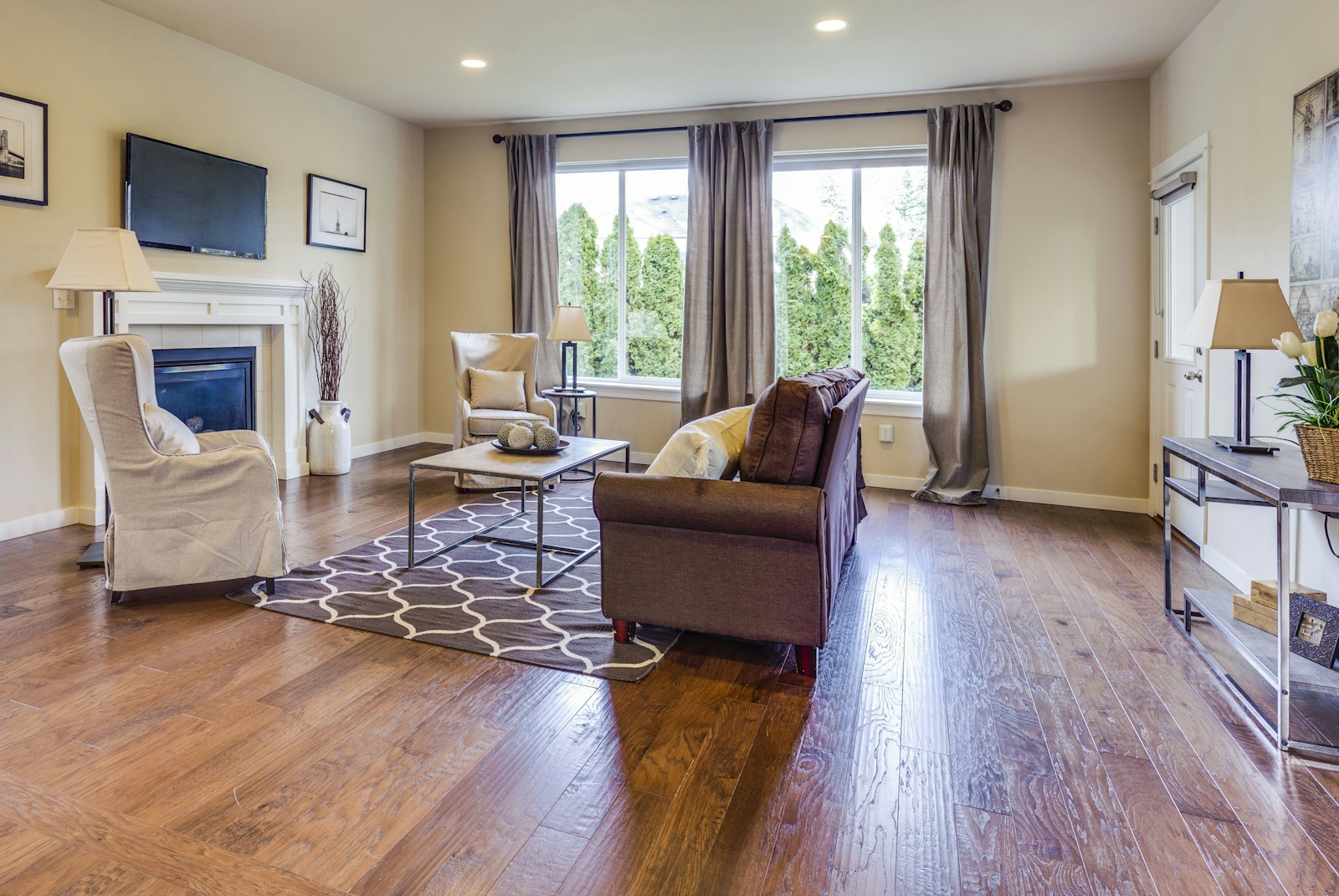
What Kind of Hardwood Floor Is in Your Home or Most Recent Project?
Wide-plank white oak? Strip maple? Reclaimed walnut?
We want to hear what you chose, what influenced your decision, and how the flooring has held up. Share your experience below.
Frequently Asked Questions
Does hardwood flooring add value to a home?
Hardwood flooring can add value when buyers in the local market prefer it and the flooring is in good condition. NAR’s 2022 research estimated that refinishing existing hardwood recovered 147% of the project cost, while installing new wood flooring recovered 118%.
What type of hardwood flooring has the best return on investment?
Refinishing an existing hardwood floor produced the highest cost-recovery percentage in NAR’s 2022 report. For new installations, durable species such as red oak, white oak, and hard maple offer long service lives and can be refinished multiple times.
Homeowners and designers can explore additional ideas for incorporating hardwood into home interiors, including flooring, cabinetry, furniture, and architectural details.
Do appraisers give credit for hardwood floors?
Appraisers may recognize hardwood as a quality differentiator when market data shows that comparable homes with hardwood flooring sell for more. Any adjustment must be supported by local sales rather than a universal flooring formula.
Is engineered hardwood valued the same as solid hardwood by buyers?
In many markets, high-quality engineered hardwood is viewed similarly to solid hardwood because it has a real wood surface. Differences may become more important when buyers consider refinishing potential, expected lifespan, product quality, and long-term maintenance.
The five backlinks used are: Opendoor, the NAR Remodeling Impact Report, NWFA, Real American Hardwood’s value page, and Real American Hardwood’s interior-design page.