

A Solid Guide to Hardwood Timber Flooring for Your Home
What Is Hardwood Timber Flooring — and Which Type Is Right for You?
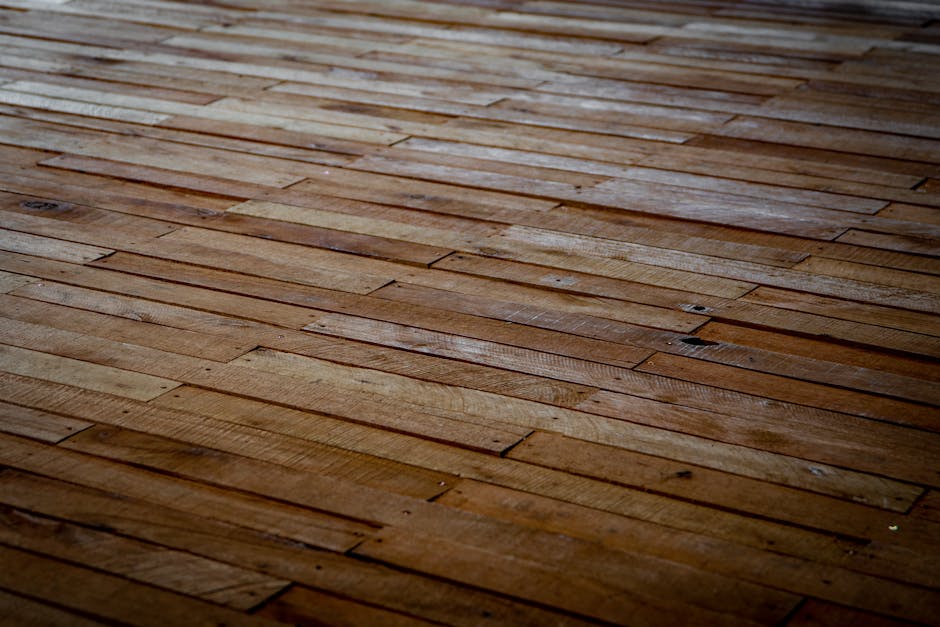
Hardwood timber flooring is one of the most durable, beautiful, and sustainable flooring choices available for homes and commercial spaces today.
Quick comparison to help you choose:
Whether you want a warm, classic look in a living room or a durable surface for a high-traffic hallway, hardwood timber flooring adapts to almost any space. It adds real estate value, lasts generations with proper care, and — when sourced responsibly — it's one of the most eco-friendly building materials on the planet.
But not all hardwood floors are the same. Species, construction, finish, and sourcing all matter. This guide breaks it all down so you can make a confident, well-informed choice.
I'm Jonathan Geyer from Real American Hardwood Company, where I've spent years sourcing, milling, and distributing premium American hardwood timber flooring for residential and commercial projects across the country. Let's walk through everything you need to know — from construction types and species selection to installation, maintenance, and sustainability.
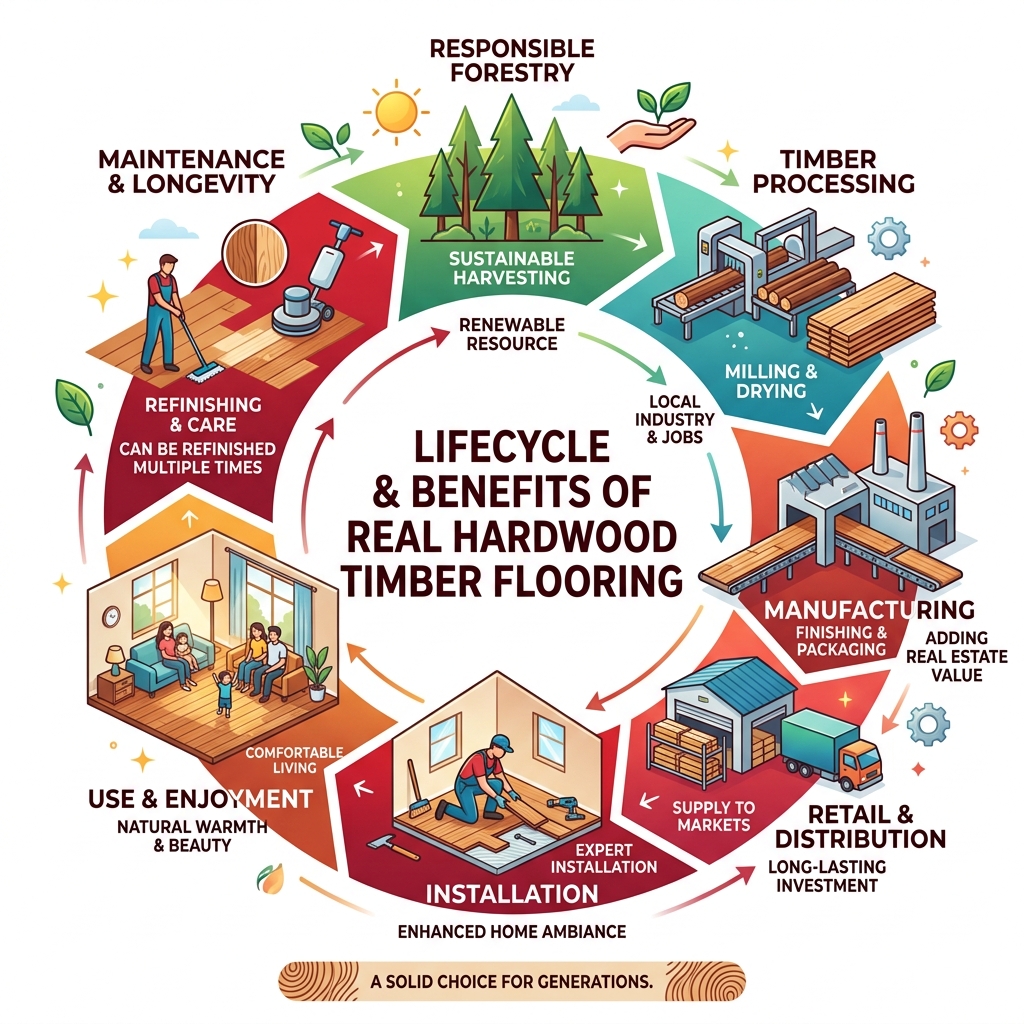
Understanding the Types of Hardwood Timber Flooring
When we talk about hardwood timber flooring, we aren't just talking about a single type of plank. Modern technology has given us several ways to enjoy the natural warmth of wood, each suited for different environments and budgets. Understanding these differences is the first step toward a floor you’ll love for decades.
Before diving into the nuts and bolts, it’s worth noting that "real wood" is often imitated but never truly duplicated. If you’ve ever wondered why a vinyl floor feels "off" compared to the real thing, check out our guide on Hardwood vs Lookalikes to see why the authenticity of timber is unmatched.
Solid vs. Engineered Construction
The biggest debate in the flooring world usually comes down to solid versus engineered.
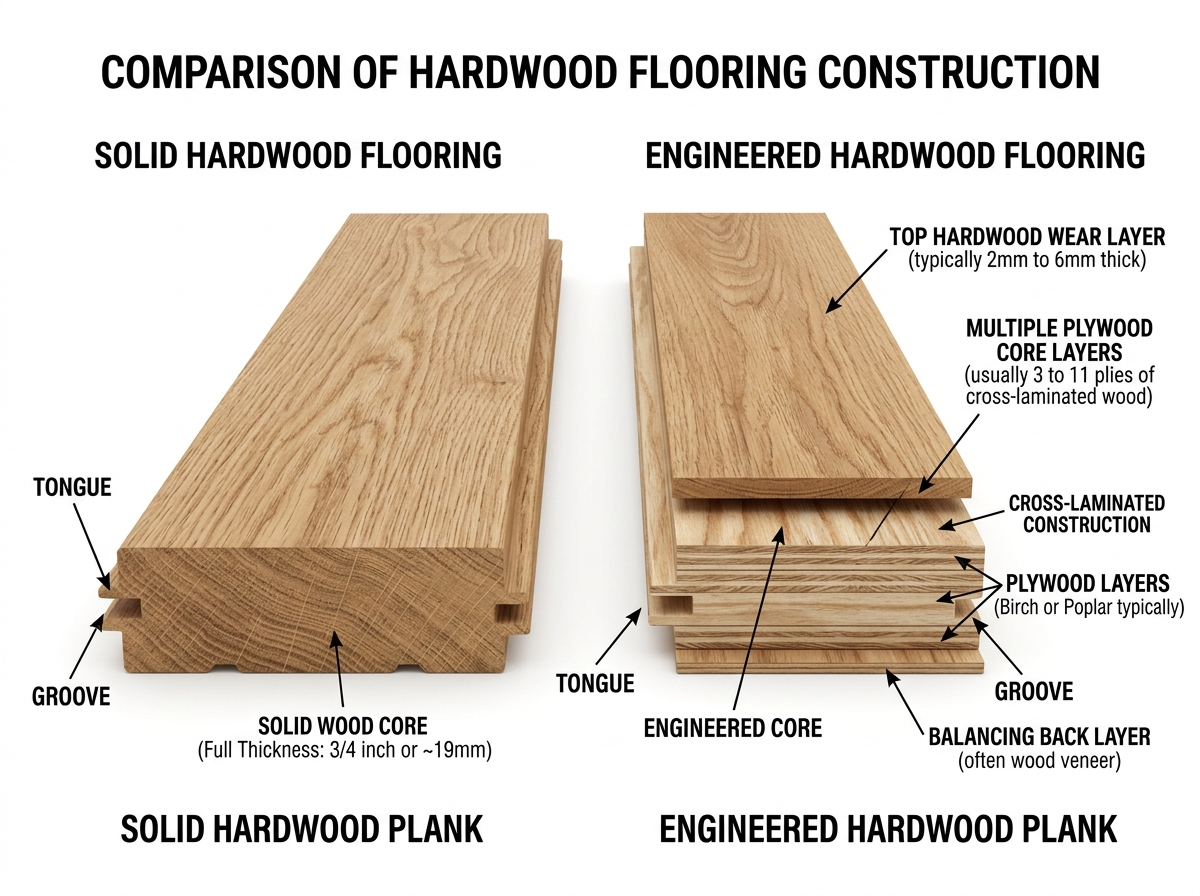
Solid Hardwood FlooringThis is the "old school" (and still gold standard) choice. Each plank is a single, solid piece of wood, typically 3/4" thick. Because it is wood all the way through, it can be sanded and refinished multiple times—often lasting 100 years or more. We like to think of it as a "lifetime investment." However, because it’s a natural material, it expands and contracts with moisture. This means it’s best installed on or above ground level (what we call "above grade") in rooms like bedrooms, living areas, and dining rooms.
Engineered Hardwood FlooringDon't let the name fool you—this is still real wood. It consists of a genuine hardwood top layer (called a wear layer or veneer) bonded over several layers of high-quality plywood or high-density fiberboard. This "sandwich" construction makes the floor incredibly stable. It won't warp or cup as easily as solid wood when the humidity changes.
Engineered planks are perfect for basements, over concrete slabs, or in regions with high humidity. While they can be thinner—ranging from 1/2" to 5/8"—higher-end options feature a thick wear layer (up to 6mm) that allows for one or two refinishing cycles.
Prefinished and Unfinished Options
Once you’ve picked your construction type, you need to decide how the floor will be finished.
- Prefinished Flooring: These planks are sanded, stained, and coated with a protective finish (often including aluminum oxide for extreme scratch resistance) at the factory. The benefit? You can walk on them the moment they are installed. There’s no dust, no chemical smell in your home, and the finish is often much tougher than what can be applied on-site.
- Unfinished (Site-Finished) Flooring: These are raw wood planks installed first, then sanded and finished in your home. This is the way to go if you want a totally custom stain color or if you're installing wood in a kitchen. Why the kitchen? Because the finish seals the seams between the planks, creating a liquid-impermeable barrier that helps protect against those inevitable spills.
Selecting the Right Wood Species and Aesthetics
Choosing the species of your hardwood timber flooring is where the fun really begins. It’s like picking the "personality" of your room. Some woods are rugged and rustic, while others are sleek and sophisticated.
Beyond just the look, we have to consider the Janka Hardness Scale. This is a standard industry test that measures how much force is required to embed a small steel ball into the wood. The higher the number, the more resistant the wood is to dents and wear. For a deep dive into every option, visit our Hardwood Species Guide.
Popular Hardwood Timber Flooring Species
- White Oak (Janka 1360): Currently the "king" of flooring. It’s incredibly durable, has a beautiful open grain, and takes gray and white-wash stains perfectly. It’s a favorite for modern and "Scandi-style" homes.
- Red Oak (Janka 1290): The classic American choice. It’s slightly warmer and more porous than white oak, making it fantastic at absorbing deep, rich stains. It’s known for its prominent grain patterns that hide small scratches well.
- Hard Maple (Janka 1450): If you want a clean, airy, contemporary look, maple is it. It has a very fine, light grain. Because it’s so dense, it’s highly resistant to heavy foot traffic, though it can be a bit tricky to stain evenly—we often recommend keeping it natural.
- Hickory (Janka 1820): One of the hardest woods in North America. Hickory is famous for its dramatic color variations—from creamy whites to dark browns—within a single plank. It’s the ultimate choice for a "modern rustic" look.
- Walnut (Janka 1010): Walnut is softer than oak, so it might not be the best for a house full of big dogs, but its natural chocolate-brown color is unparalleled in beauty and sophistication.
- Alder: A Pacific Northwest treasure. Alder is a "red" hardwood that offers a uniform texture and a relatively short growth cycle, making it a great sustainable choice for those who want a warmer, softer wood tone.
Color, Texture, and Finish Trends
We’ve seen a massive shift in how people want their floors to feel underfoot. It’s no longer just about high-gloss "bowling alley" finishes.
- Wirebrushed: A metal brush is used to pull out the soft grain, leaving the hard grain raised. This creates a subtle texture that is excellent at hiding pet scratches and everyday dirt.
- Hand-Scraped: This gives the floor a reclaimed, historic feel. Each plank looks unique, as if it were planed by hand centuries ago.
- Matte and Low-Gloss: High gloss is out; matte is in. Low-gloss finishes (around 5% to 10% gloss level) look more natural and don't show footprints or dust as easily as shiny floors.
- Wide Planks: While traditional floors were 2.25" to 3.25" wide, we are now seeing a huge demand for wide planks (5", 7", or even 9" wide). These make small rooms feel larger and give the space a more grounded, high-end feel.
Installation and Maintenance for Longevity
Installing hardwood timber flooring is a craft. While we love a good DIY project, solid hardwood installation is challenging. It requires specialized tools like pneumatic flooring nailers and a deep understanding of subfloor preparation.
If you’re wondering why you should go through the effort of real wood instead of a "click-together" plastic alternative, our page on Why Real Hardwood explains the long-term value and health benefits that come with natural materials.
Best Practices for Hardwood Timber Flooring Installation
- Acclimation is Non-Negotiable: Wood is a living material. Before it’s nailed down, it needs to sit in your home for 3 to 7 days. This allows the planks to adjust to the specific temperature and humidity of your house, preventing them from shrinking or buckling after they are installed.
- Subfloor Check: Your subfloor must be clean, dry, and—most importantly—level. Any dips in the subfloor will lead to "squeaks" later on.
- Methods:
- Nail/Staple Down: The standard for solid wood over a plywood subfloor.
- Glue Down: Common for engineered wood over concrete slabs.
- Floating: Some engineered floors click together without being attached to the subfloor, which is great for basements.
- The 15% Rule: Always order about 10% to 15% more wood than your square footage. This "waste factor" accounts for the boards you’ll have to cut at the ends of rows and any natural imperfections you might want to trim out.
- Radiant Heat: If you have underfloor heating, engineered hardwood is your best friend. Its layered construction handles the temperature cycles much better than solid wood.
Cleaning and Refinishing Tips
To keep your floors looking like the day they were installed, follow these simple rules:
- Ditch the Steam Mop: Never, ever use steam on a hardwood floor. The heat and moisture can force water into the wood fibers, causing permanent damage.
- pH-Neutral Cleaners: Avoid vinegar and water (it’s too acidic and dulls the finish) or harsh detergents. Use a dedicated hardwood floor cleaner and a microfiber mop.
- Protective Pads: Put felt pads under every piece of furniture. It’s the cheapest insurance policy you’ll ever buy.
- Sanding Cycles: If your floor starts to look tired after 15 or 20 years, don't replace it—refinish it! A professional can sand off the old finish and apply a fresh coat, making the wood look brand new. Solid wood can handle this 4 to 7 times in its life.
Sustainability and the Value of Real Wood
At Real American Hardwood, we are passionate about the fact that hardwood timber flooring is one of the few building materials that actually helps the environment. When you choose American hardwood, you aren't just buying a floor; you’re supporting a cycle of growth that protects our planet.
For more details on how wood stacks up against other materials, see our Sustainability page.
Environmental Certifications and Sourcing
Our American hardwood forests are a true success story. Thanks to responsible forestry practices, U.S. hardwood forests are growing 2.5 times faster than they are being harvested. This means every time a tree is cut for flooring, more than two trees are growing in its place. We support standards like those from the Forest Stewardship Council (FSC) to ensure these resources are managed responsibly for future generations.
- Carbon Sequestration: Trees absorb carbon dioxide as they grow. When that wood is turned into flooring, that carbon is "locked away" for the life of the floor. Choosing wood is a proactive way to reduce your home’s carbon footprint.
- Indoor Air Quality: Hardwood floors don't trap dust, dander, or allergens like carpet does. Many of our products are GREENGUARD Gold Certified, meaning they have low chemical emissions, ensuring the air in your home stays clean.
- Support Local Economies: Sourcing hardwoods from regions like the Appalachians supports rural communities and reduces the emissions caused by shipping heavy materials halfway around the world.
As we like to say, wood is the Age-Old Sustainable Choice that never goes out of style.
Frequently Asked Questions about Hardwood Flooring
Can hardwood be installed in basements or bathrooms?
Yes, but with caveats. For basements, we exclusively recommend engineered hardwood because it handles the higher humidity and concrete subfloors better than solid wood. For bathrooms, it's possible but risky. If you do it, we recommend unfinished planks that are sealed on-site to close the gaps, and you must be diligent about wiping up any standing water immediately.
How many times can solid hardwood be refinished?
A standard 3/4" solid hardwood floor can typically be sanded and refinished 4 to 7 times. Given that most people only refinish their floors every 15 to 20 years, a solid wood floor can easily last over a century.
What is the difference between a 2mm and 6mm wear layer?
This applies to engineered flooring. The wear layer is the real wood on top. A 2mm layer is thin and generally cannot be sanded—it’s a "one-and-done" floor. A 6mm wear layer is quite thick and can be sanded and refinished just as many times as a solid wood floor. If you want longevity in an engineered product, look for a thicker wear layer.
Conclusion
Choosing hardwood timber flooring is about more than just picking a surface to walk on. It’s about bringing a piece of the natural world into your home. From the unmatched consistency of Appalachian Oak to the rugged strength of Hickory, real wood offers a narrative of growth, durability, and timeless beauty that no synthetic material can replicate.
At Real American Hardwood, we believe in the power of this truly renewable resource. By choosing American-grown timber, you are investing in a product that captures carbon, supports healthy forests, and provides generations of value for your family.
Ready to start your journey? Whether you’re looking for the perfect species or just want to learn more about the benefits of wood, we’re here to help you Build Your World with the lasting elegance of real hardwood.