

How Does Hardwood Flooring Affect Indoor Air Quality?
How Does Hardwood Flooring Affect Indoor Air Quality?
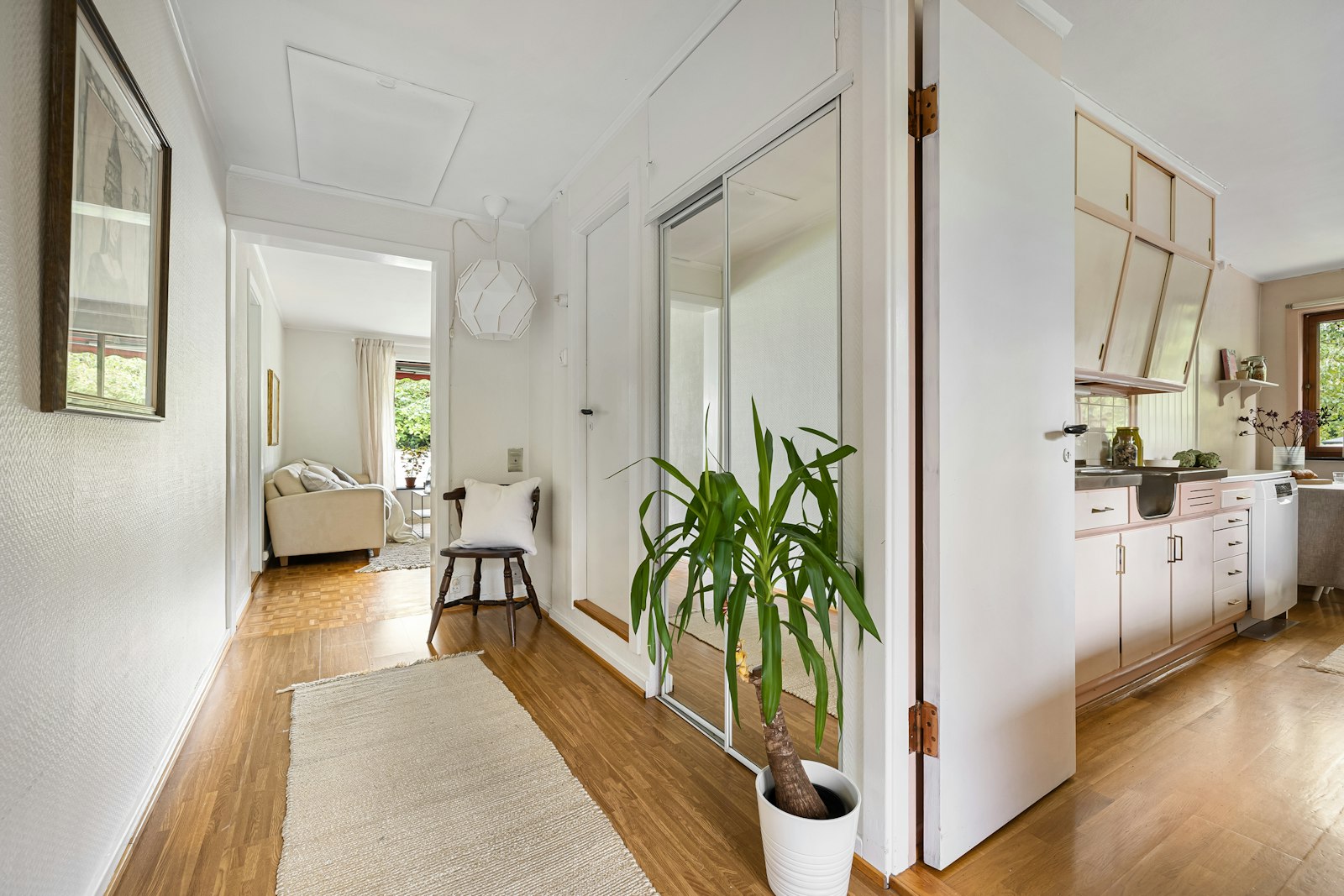
Hardwood flooring supports healthier indoor air quality than carpet and many synthetic alternatives. Its smooth, sealed surface does not trap allergens, is easy to clean with standard methods, and does not harbor microbial growth as readily as fibrous materials. When properly finished and installed with low-emission products, hardwood can also help reduce unnecessary exposure to volatile organic compounds, or VOCs.
The National Wood Flooring Association’s information on the health benefits of wood flooring provides additional guidance on why hardwood can be a practical flooring choice for indoor environments.
What Are the Indoor Air Quality Advantages of Hardwood?
Unlike carpet, hardwood has no fiber matrix where dust mites, pet dander, pollen, and other particulates can become deeply embedded. Allergens generally remain on the surface, where they can be removed through routine sweeping, vacuuming, or damp cleaning.
Hardwood can also support lower-emission interior environments when appropriate finishes and adhesives are selected. Products that comply with applicable formaldehyde and chemical-emission standards can help reduce VOC exposure during and after installation.
Because hardwood has a smooth, sealed surface, routine cleaning is generally straightforward. Dust and other particulates remain accessible rather than settling deep within carpet fibers.
Sealed hardwood surfaces also do not provide the same fibrous environment that can retain moisture and support mold or bacterial growth after exposure to excess moisture. Proper installation, maintenance, and moisture control remain important for any flooring material.
For projects where chemical emissions are a priority, UL GREENGUARD Certification can help specifiers identify products that have been evaluated for emissions in indoor environments, including schools and healthcare settings.
What Does Research Show About Hardwood and Allergens?
Research in healthcare and residential environments has consistently examined the relationship between flooring surfaces, allergens, and indoor air quality. Hard-surface flooring can make it easier to remove dust, pollen, pet dander, and other particulates because those materials remain on the surface rather than becoming embedded within fibers.
Carpet can act as a reservoir for dust and biological contaminants. Foot traffic, vacuuming, and other activity can disturb accumulated material and reintroduce particles into the indoor environment.
The EPA’s guide to indoor air quality explains that indoor pollutants can come from many sources, including building materials, furnishings, household products, and biological contaminants. Flooring selection is one part of a broader strategy that also includes ventilation, moisture control, and regular cleaning.
Hardwood vs. Carpet for Allergy and Air Quality Considerations
Hardwood and carpet behave very differently when exposed to common indoor contaminants.
With hardwood flooring, dust mites do not have a fibrous flooring substrate in which to live and accumulate. Pet dander and pollen generally remain on the surface and can be removed through regular cleaning. When moisture is addressed quickly, sealed hardwood also has less opportunity to retain moisture within fibers.
Carpet, by contrast, can hold dust, pet dander, pollen, and other particulates within its fibers. Removing deeply embedded contaminants may require more intensive cleaning, and moisture can remain trapped in the flooring and padding after spills or water events.
VOC exposure also depends on the specific products selected. Hardwood projects using low-emission finishes and adhesives can reduce potential chemical emissions, while carpet installations may involve emissions from fibers, backing materials, adhesives, or treatments.
The EPA’s information on biological contaminants and indoor air quality provides additional guidance on mold, dust mites, and other contaminants that can affect indoor environments.

What Is CARB Phase 2 and Why Does It Apply to Hardwood?
The California Air Resources Board’s Phase 2 Airborne Toxic Control Measure established formaldehyde-emission limits for certain composite wood products. These requirements are particularly relevant to engineered flooring products that contain composite wood components or substrates.
For solid hardwood flooring, the wood itself is not generally the primary source of VOC concerns. Instead, attention often turns to the finishes, adhesives, sealers, and other products used as part of the installation and finishing process.
Selecting appropriate low-emission products can be especially important in schools, healthcare facilities, residences with sensitive occupants, and projects with broader indoor environmental quality goals.
What Is Biophilic Design and How Does Hardwood Support Well-Being?
Biophilic design incorporates natural materials, patterns, light, vegetation, and other elements of nature into the built environment. Wood is frequently used in biophilic interiors because its grain, texture, warmth, and visual variation introduce a natural material directly into the space.
Research into wood and interior environments has explored whether visual and tactile exposure to natural materials may influence perceived comfort, stress, and overall well-being. While indoor air quality and psychological well-being are separate considerations, both can influence how occupants experience an interior environment.
For architects and designers, hardwood can therefore serve more than one role. It provides a durable finished surface while also contributing the texture and visual character associated with natural-material design.
Has Indoor Air Quality Influenced a Flooring Decision in One of Your Projects?
Whether you were designing for a healthcare environment, school, workplace, or a client with allergies, material selection can play an important role in the overall indoor environment. Flooring is only one part of indoor air quality, but choosing surfaces that are easy to maintain and pairing them with appropriate finishes and adhesives can support a broader healthy-building strategy.
The UL GREENGUARD Certification program is one resource for identifying products evaluated for chemical emissions.
Frequently Asked Questions
Is hardwood flooring good for people with allergies?
Hardwood can be a practical choice for people concerned about allergens because it does not contain the same fiber structure as carpet. Dust, pet dander, and pollen generally remain on the surface, where they can be removed through routine cleaning. Products with appropriate low-emission certifications can provide another consideration for projects involving sensitive indoor environments.
Does hardwood flooring off-gas chemicals?
Solid hardwood itself is a natural material, but finishes, adhesives, and other installation products can contribute VOCs. Choosing products that meet applicable emissions standards and following manufacturer installation requirements can help reduce those concerns.
Learn more about the characteristics and benefits of Real American Hardwood.
Is hardwood or carpet better for indoor air quality?
Hardwood can offer advantages for occupants concerned about dust and allergens because particulates remain on a cleanable surface rather than becoming embedded within fibers. Carpet can retain dust, allergens, and moisture, making maintenance especially important.
What certifications should I look for in healthy hardwood flooring?
GREENGUARD and GREENGUARD Gold certifications can help identify products evaluated for chemical emissions in indoor environments. Formaldehyde-emission requirements may also apply to composite wood products used in engineered flooring. For projects where responsible forest sourcing is important, certification programs such as FSC may provide additional documentation.