

Is Poplar a Hardwood?
Is Poplar a Hardwood? Why It Is the Go-To Wood for Painted Millwork
Meta: Is poplar a hardwood? Yes. Yellow poplar is a true American hardwood and a favorite for painted trim, cabinetry and furniture parts. See why makers choose it.
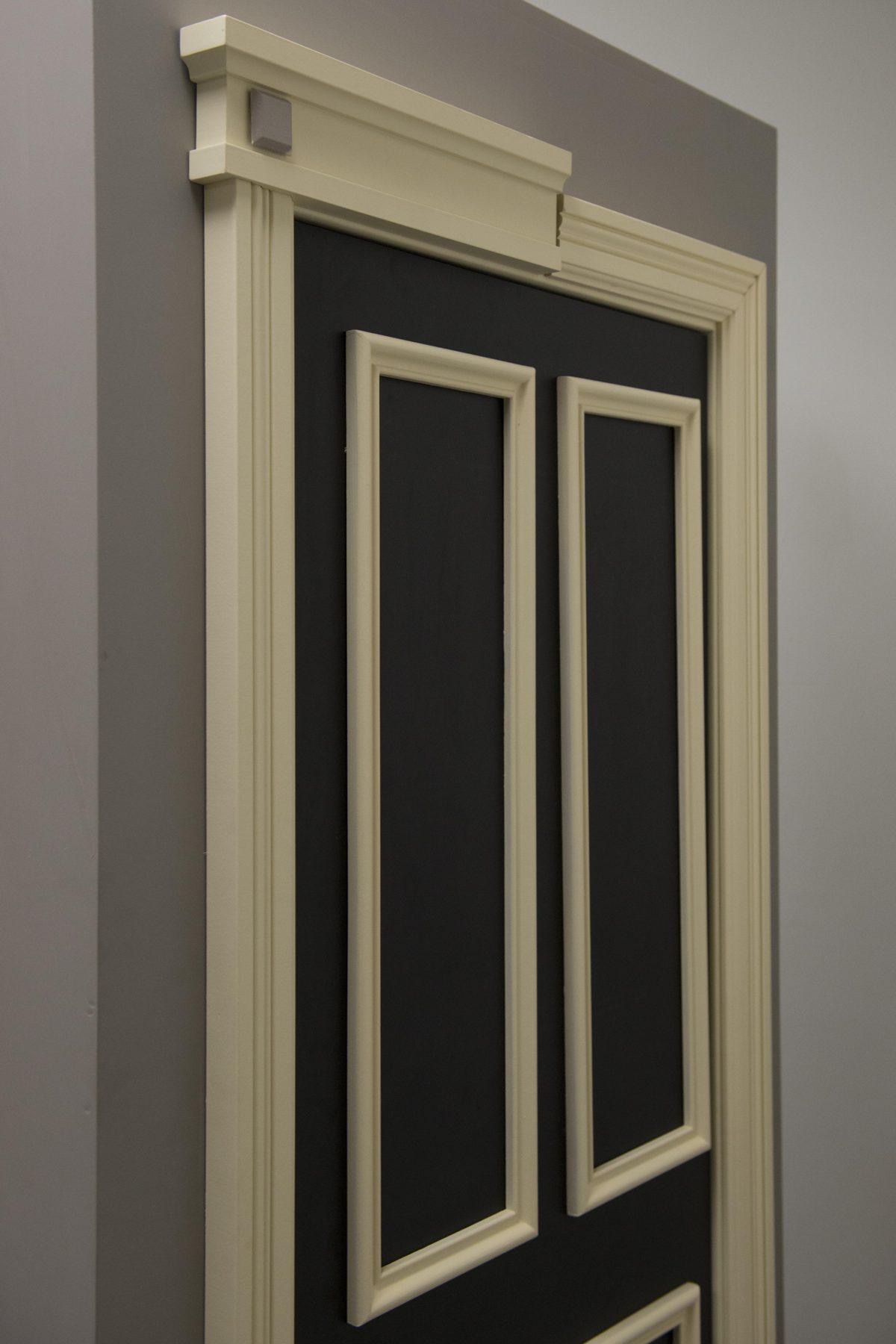
Featured image. Alt text: Painted hardwood moulding framing a recessed panel
Web filename: painted-hardwood-millwork-panel.jpg
Original file: 10969_Select Trim_ab_028.jpg
Is poplar a hardwood? Yes. Yellow poplar (Liriodendron tulipifera) is a broadleaf, flowering tree, which makes it a hardwood by definition. It is also one of the most useful woods in the American forest: smooth, stable, easy to machine and one of the best species there is for a painted finish.
“Hardwood” describes how a tree is built botanically, not how dense it is. Poplar’s strengths are long, clear boards and a calm, uniform texture that takes paint beautifully, which is why it has been a workhorse in American millwork and cabinet shops for generations. This guide covers what makes poplar a hardwood, where it shines and how to ask for it by name.
What Makes Poplar a Hardwood?
Poplar is a hardwood because it is an angiosperm, a flowering tree whose seeds develop inside an ovary, and because its wood contains vessel elements, or pores. That is the definition used by the USDA Forest Products Laboratory in the Wood Handbook: “Botanically, hardwoods are angiosperms; their seeds are enclosed in the ovary of the flower. Anatomically, hardwoods are porous; that is, they contain vessel elements.” Softwoods are gymnosperms, mostly conifers, and their wood has no vessels.
Hardness is not part of the definition. The Wood Handbook says so directly, noting that “some softwoods are actually harder than some hardwoods, and conversely some hardwoods are softer than some softwoods”.
Yellow poplar is a broadleaf tree with large, tulip-shaped flowers, which is where its other common name, tulip poplar, comes from. The Wood Database notes that it belongs to the genus Liriodendron, meaning “lily tree,” and not to Populus, the genus of true poplars such as cottonwood and aspen. AHEC markets it internationally as American tulipwood and notes it should not be confused with European or Chinese poplar species.
How Does Poplar Compare to Other American Hardwoods?
Poplar is a lighter, more workable hardwood than the oaks and maples, and that is exactly what makes it so useful for the jobs it does best. The Wood Database rates yellow poplar at 540 lbf on the Janka hardness scale. For context, the same source rates hard maple at 1,450 lbf, white oak at 1,360 lbf, red oak at 1,220 lbf, black walnut at 1,010 lbf and black cherry at 950 lbf. Poplar sits at the lighter end of the commercial hardwoods, above basswood (410 lbf) and well matched to millwork, cabinet parts and furniture components.
Light does not mean weak for its size. The Wood Database lists yellow poplar at an average dried weight of 29 lbs per cubic foot, a modulus of rupture of 10,100 psi and an elastic modulus of 1,580,000 psi. In plain terms, poplar is stiff for its weight, a real advantage in a long run of crown moulding or a tall cabinet side.
Think of American hardwoods as a toolkit. Hard maple and white oak suit tabletops and work surfaces. Walnut and cherry bring rich color for show pieces. Poplar is the species makers reach for when the job calls for clean profiles and a smooth painted surface.
What Does Poplar Look Like?
Poplar has creamy sapwood and heartwood that ranges from pale yellow and tan to olive green, sometimes with gray or purple streaks. The American Hardwood Information Center describes the sapwood as “creamy white and may be streaked,” with heartwood that “varies from pale yellowish-brown to olive green.” That green tone is entirely natural, and it mellows over time: the green in the heartwood darkens on exposure to light and turns brown.
The grain is straight and the texture is medium to fine and uniform. Because poplar is diffuse-porous (its pores are small and evenly scattered through each growth ring), the surface reads as calm and even. Under paint, it disappears and lets the color and the profile do the talking.
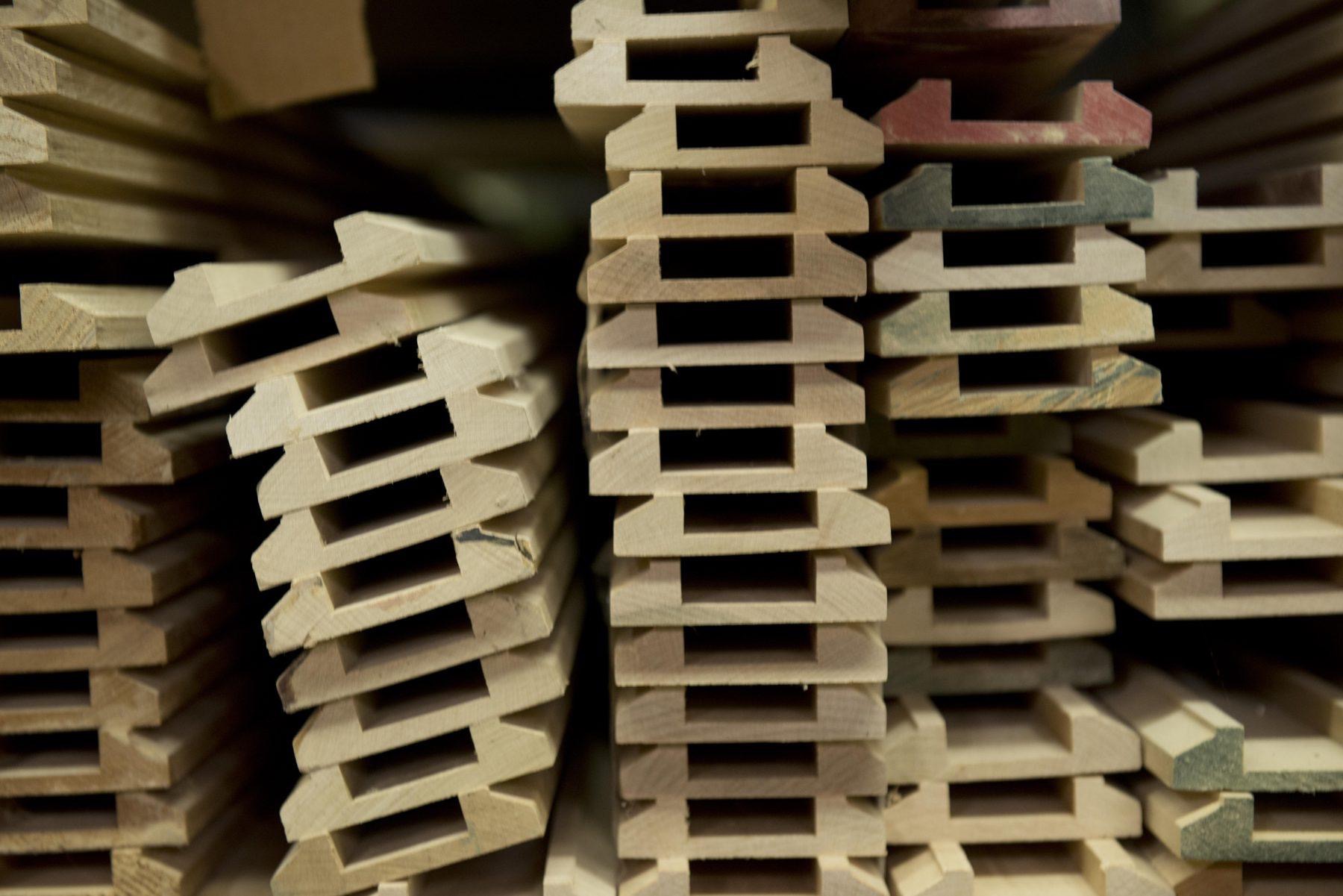
Some furniture makers also love poplar under a clear finish, where cream, tan and green streaks side by side give a lively, natural look no printed wood-look surface can imitate.
Poplar is the go-to American hardwood for painted millwork, cabinetry, interior doors and furniture parts, because it machines cleanly, stays stable and holds a finish well. The American Hardwood Information Center lists its main uses as “light construction, furniture, kitchen cabinets, doors, paneling, moulding and millwork, edge-glued panels, turnings, and carvings.”
The reasons come down to how the wood behaves in the shop:
- It machines easily. The American Hardwood Information Center calls poplar “easy to machine, plane, turn, glue, and bore,” with “little tendency to split when nailed.” The Wood Database rates it “very easy to work in almost all regards.”
- It holds paint. According to the American Hardwood Information Center, poplar “takes and holds paint, enamel, and stain exceptionally well.” Its even, closed surface shows less grain through a painted finish than open-pored woods like oak or ash.
- It stays put. The same source notes that poplar “dries easily with minimal movement in performance,” which is why it shows up in edge-glued panels and long runs of trim.
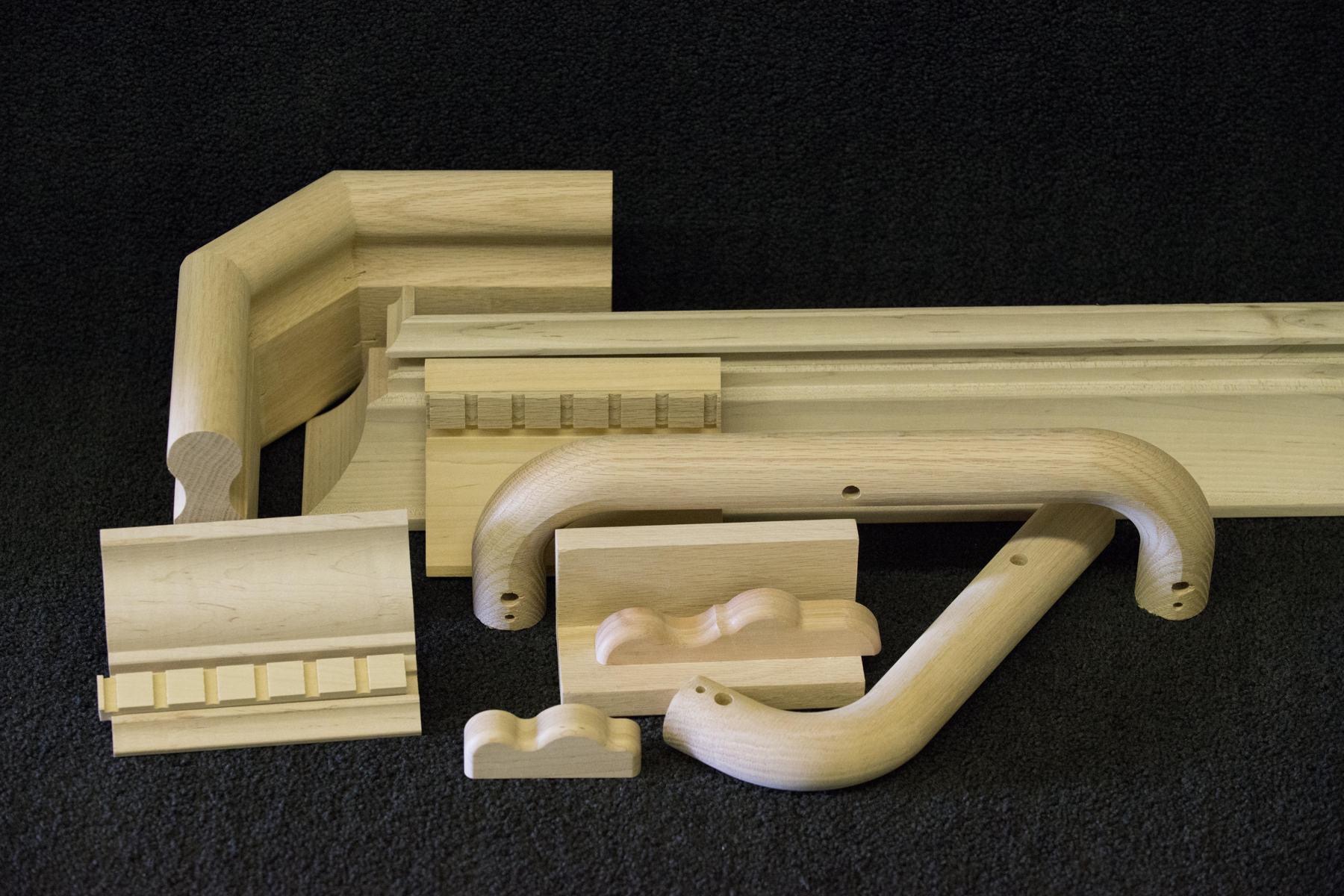
Painted trim and millwork. Casings, baseboards, crown, wainscot and stair parts all benefit from a wood that cuts crisp profiles and stays flat.
Cabinetry. Poplar is a common choice for painted face frames, doors and interior parts, giving painters a smooth, consistent surface across every door and drawer.
Furniture. Poplar is widely used for drawer sides, frames, case parts and painted pieces. Many makers build the structure in poplar and use walnut, cherry or oak for the show surfaces, putting each species where it performs best.
Is Poplar Sustainable and Easy to Find?
Yes. Yellow poplar is an abundant hardwood in the United States, and the resource is growing. AHEC reports that U.S. tulipwood growing stock is 1.12 billion cubic meters, or 7.7% of all U.S. hardwood growing stock. The species is growing about 34.6 million cubic meters a year while the harvest is about 12.8 million cubic meters, a net gain of roughly 21.8 million cubic meters every year after harvest.
That pattern holds across the broader American hardwood forest. AHEC data show U.S. forests regrow about 1.66 cubic feet of hardwood for every 1 cubic foot harvested, and USDA Forest Inventory and Analysis data show U.S. hardwood growing stock up about 90% since the 1950s.
Availability follows abundance. The American Hardwood Information Center describes poplar as “very widely available,” and the Wood Database places it “among the most economical and inexpensive of all domestic hardwoods,” which makes poplar one of the most accessible ways to bring real American hardwood into a home.
How Do You Ask for Poplar on Your Project?
The simplest step is to ask for real American hardwood by species name. When you talk with a cabinetmaker, millwork shop, builder or designer, say “solid poplar” for painted trim, doors and cabinet frames, and ask them to note the species on the quote or product description. That one sentence makes sure you get genuine hardwood rather than a vinyl or printed wood-look product.
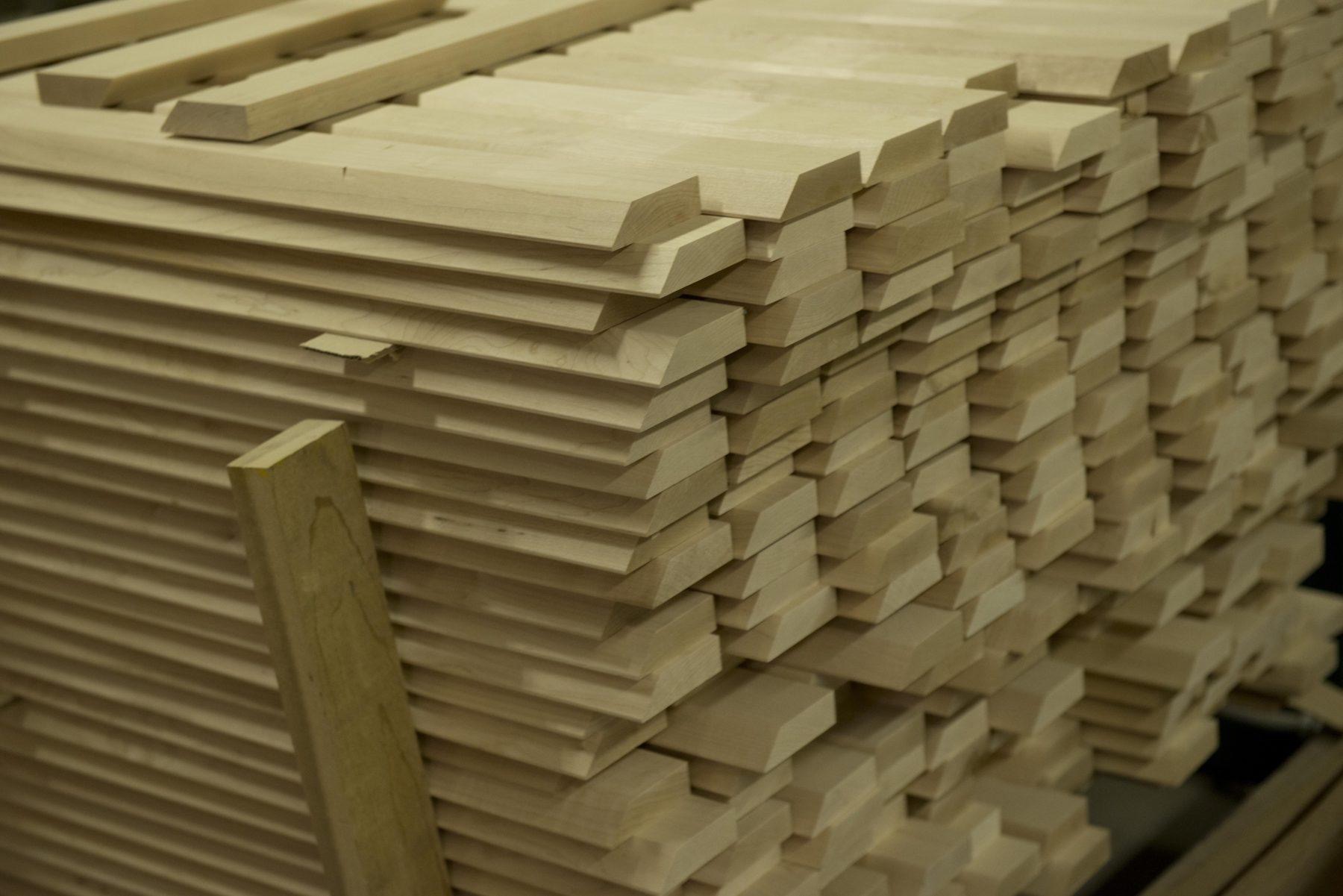
If you are buying lumber yourself, grade matters as much as species. Under NHLA rules, FAS lumber yields at least 83.3% clear cuttings, which suits long trim runs and wide panels. No. 1 Common yields at least 66.7% clear cuttings, which is often the smarter buy for cabinet parts and shorter components. If you plan a clear finish, ask about color sorting too.
Choosing poplar is a lifetime-value decision as much as a design one: real hardwood millwork and cabinetry carry the craftsmanship and solid feel that make a home feel finished.
Have you used poplar for painted trim or cabinets, or kept its green streaks under a clear coat? Tell us what you built and what you liked about working with it.
Frequently Asked Questions
Is poplar a hardwood or a softwood? Poplar is a hardwood. Yellow poplar is a flowering, broadleaf tree with vessel elements in its wood, which is the botanical and anatomical definition of a hardwood used by the USDA Forest Products Laboratory.
Is poplar good for painted cabinets and trim? Yes. The American Hardwood Information Center says poplar “takes and holds paint, enamel, and stain exceptionally well” and machines easily with little tendency to split when nailed. Its even texture and stability make it a classic choice for painted millwork, cabinet doors and face frames.
Why is some poplar green? The green color is natural heartwood coloring. According to the American Hardwood Information Center, the green tones darken on exposure to light and turn brown over time. It is part of the wood’s natural character.
Is poplar the same as tulipwood? Yes. AHEC promotes yellow poplar internationally as American tulipwood.