

Real Hardwood Furniture vs. Printed Wood-Look Furniture: Why Real Wood Is Worth It
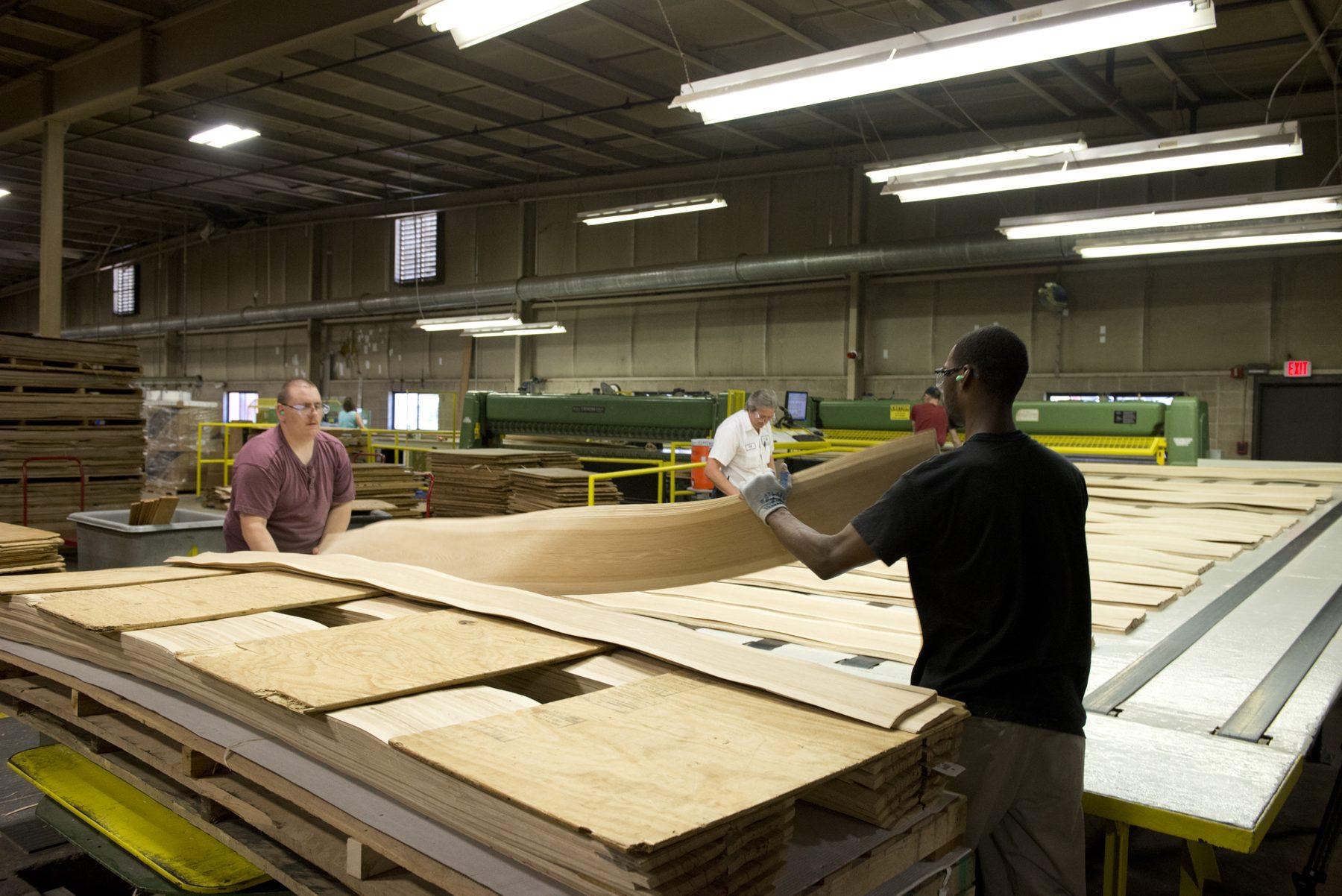
Real wood furniture is built from genuine hardwood, whether solid boards, hardwood veneer or hardwood plywood, and it brings natural beauty, lasting strength and a renewable American resource into your home. Printed wood-look furniture uses a plastic, foil or paper surface that imitates wood grain. When you want a piece to last and to feel like part of your family’s story, real hardwood is worth it.
Furniture is one of the few purchases that can stay with a family for decades. A dining table hosts holidays, a dresser moves from one bedroom to the next, a desk becomes a hand-me-down with a story. This guide explains what counts as real wood furniture, how it differs from printed wood-look pieces, and why so many designers, makers and homeowners see real American hardwood as a lifetime choice.
What Counts as Real Wood Furniture?
Real wood furniture is furniture whose visible wood is genuine hardwood. That includes three proud traditions of American furniture making, and all three are real hardwood.
- Solid hardwood. The American Hardwood Information Center defines solid wood as meaning that “each exposed part” of the furniture or cabinetry “is made of pieces of genuine hardwood and nothing else.” Think of a solid walnut table or a solid oak chair.
- Hardwood veneer. The same source describes veneer as “thin slices of hardwood bonded to composite board or plywood.” Veneer is real wood, cut from real logs, and it has a long history in fine furniture. The USDA Forest Products Laboratory’s Wood Handbook notes that black cherry, for example, is used principally for “furniture, fine veneer panels, and architectural woodwork.”
- Hardwood plywood. Hardwood plywood carries a genuine hardwood face. The Wood Handbook lists furniture and cabinet panels among its common uses.
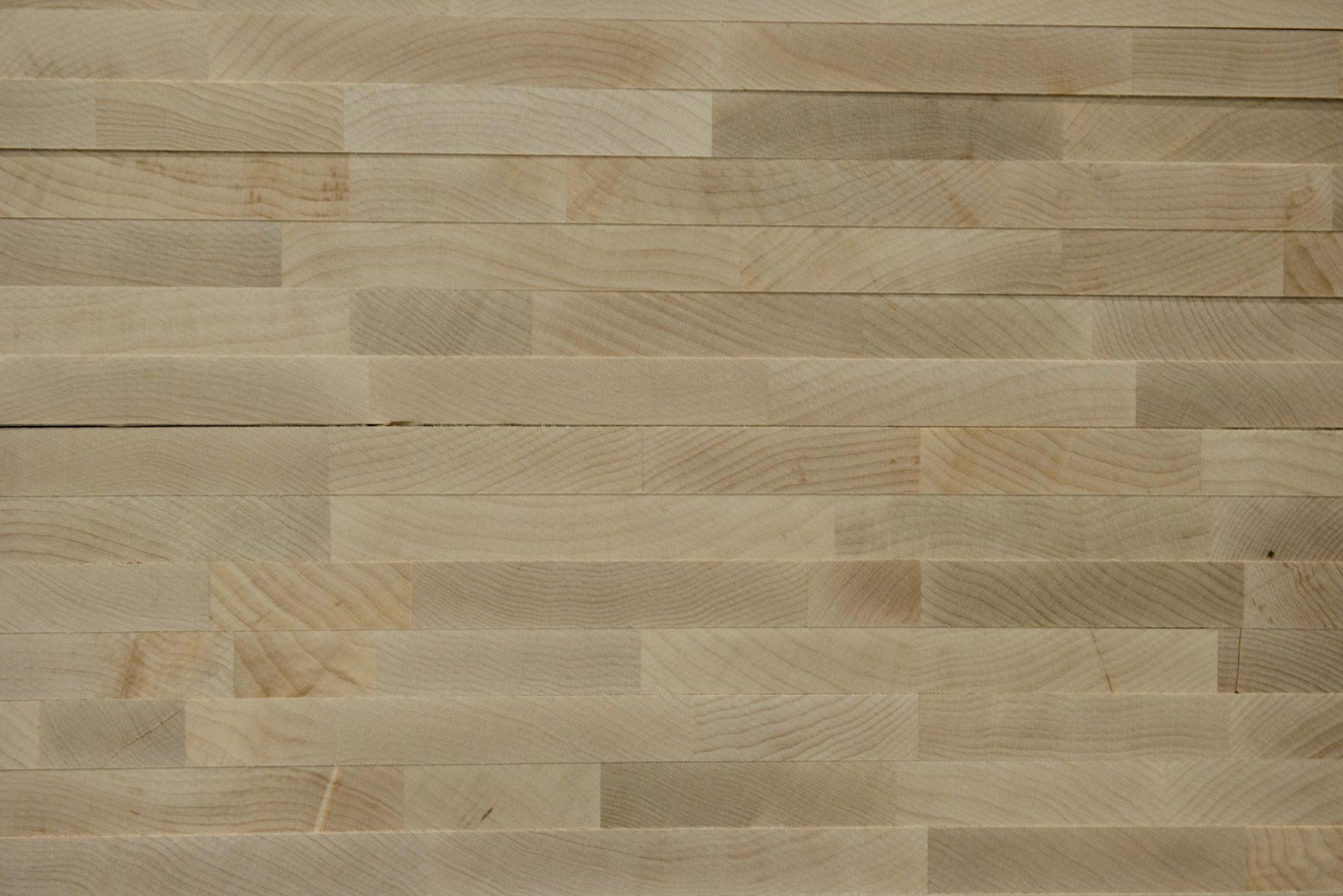
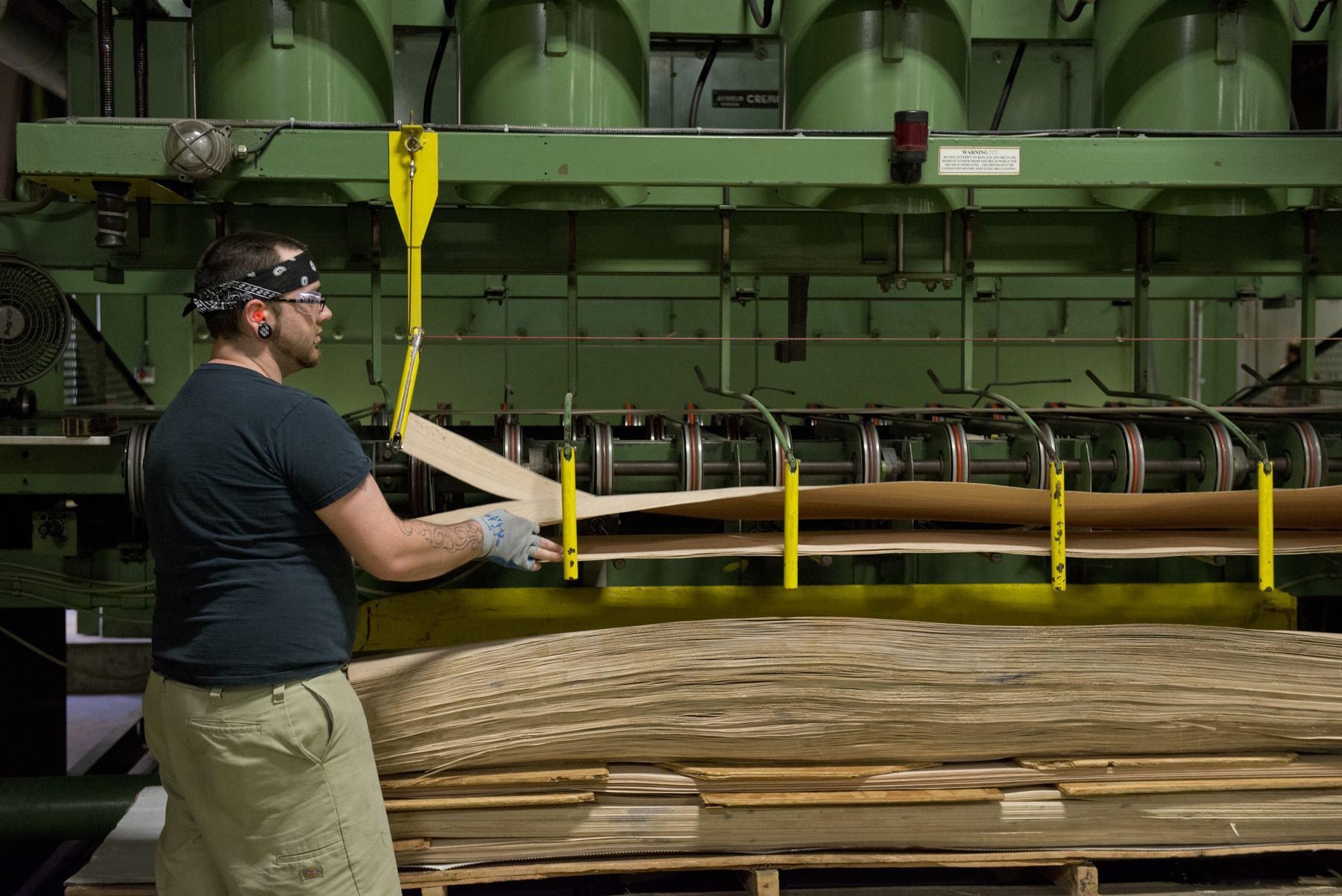
Fine furniture often combines these. A maker might build a solid hardwood frame and legs, then use hardwood veneer on a wide top or case sides so the figure flows across a large surface. Every visible surface is still real wood, with the color, grain and depth that only a tree can produce.
What Is Printed Wood-Look Furniture?
Printed wood-look furniture uses a surface that imitates wood. The American Hardwood Information Center describes laminate as “surfaces of plastic, foil or paper, often printed with photographs of wood grain patterns, bonded to composites such as particle board or medium density fiberboard.” Vinyl, foil and paper wraps work the same way.
These products fill a real need for low-cost and ready-to-assemble pieces. The Wood Handbook describes particleboard as “the predominant material used in ready-to-assemble furniture” and notes that it is typically overlaid with other materials for decorative purposes.
The difference is what you see and touch. On real hardwood, the grain belongs to an actual tree. On a printed surface, the grain is a picture. The American Hardwood Information Center cautions that product names like “oak, maple and cherry finish” may “simply refer to the color or photographic reproduction of the wood’s grain,” and that such wording “does not necessarily mean it is authentic, natural hardwood.” That is why the most useful thing a shopper can do is ask for real hardwood by species name.
Why Is Real Wood Furniture So Beautiful?
Real wood is beautiful because no two pieces are alike. Every board carries the record of the tree it came from: its growth rings, its figure, the subtle shifts in color from heartwood to sapwood. A printed pattern can imitate a board. Real hardwood is the board.
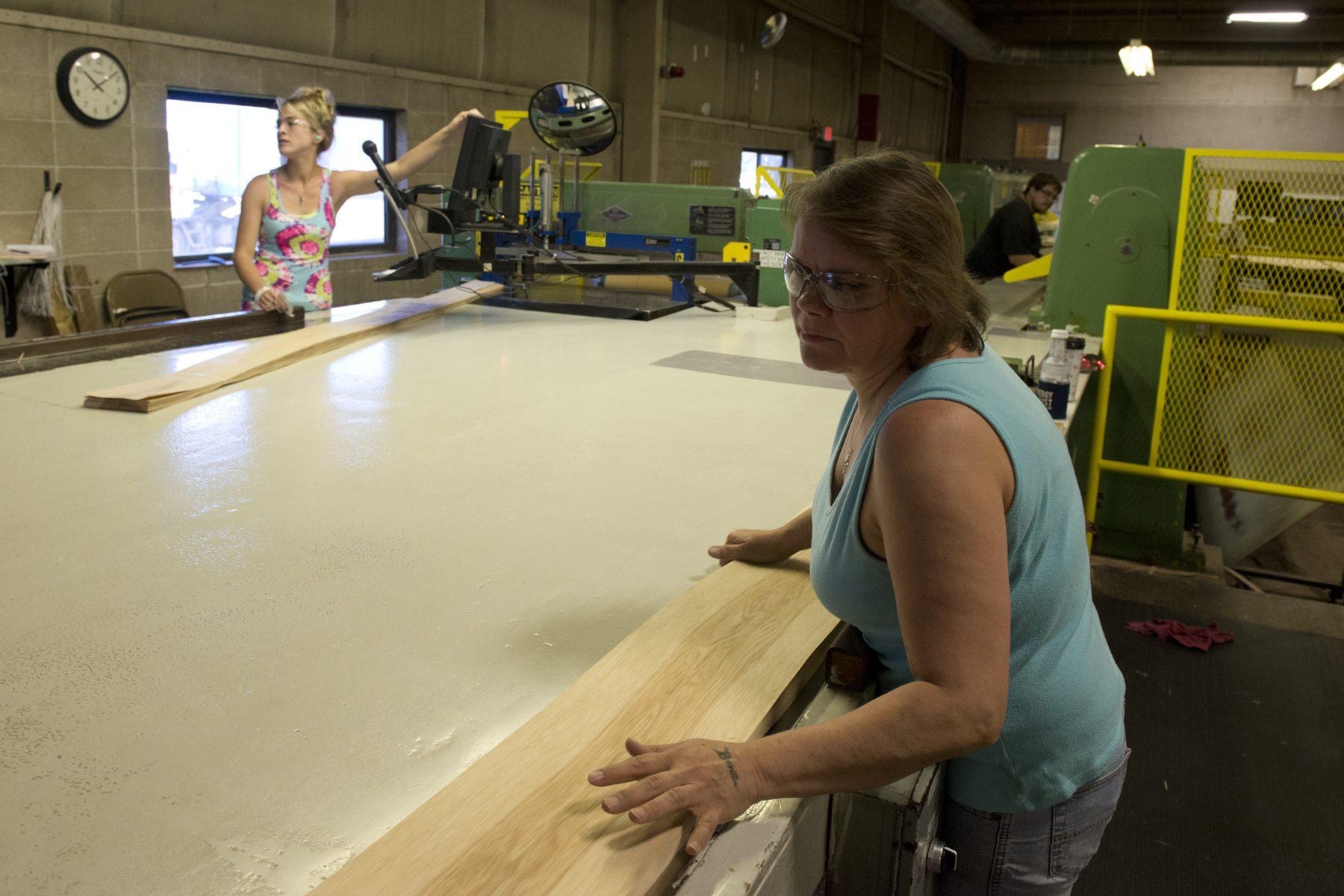
American species give designers an extraordinary palette. White oak and red oak bring bold, open grain. Hard maple offers a clean, pale surface. Black walnut brings deep chocolate tones, and cherry is famous for a warm patina that develops over time. The Wood Database describes cherry heartwood as “a light pinkish brown when freshly cut, darkening to a medium reddish brown with time and upon exposure to light,” and calls the result “a rich reddish-brown patina.” Real wood keeps evolving with the home it lives in. Texture is part of the beauty too. Real wood has pores, figure and depth you can see under changing light through the day. Run a hand across a solid cherry tabletop or an oak veneer cabinet door, and you feel a natural material.
Designers know this well. In RAHC’s coverage of the Echoes of the Woods exhibition, created by the American Hardwood Export Council, ten Chinese designers worked with American red oak, cherry and maple, and the coverage notes that “Maple and cherry both machine cleanly, allowing for fine detailing and intricate cuts.”
Why Is Real Hardwood Furniture a Lifetime Value?
Real hardwood furniture is built for the long run. The American Hardwood Information Center says solid American hardwood offers “the potential for many generations of hard use because of its durability and quality.” It also highlights the ability of genuine hardwood to hold nails and screws while withstanding the stresses, loads and abrasions of daily life.
That is why real hardwood is the traditional choice for the pieces families hand down: dining tables, chairs, beds, dressers and desks. Furniture maker Susan Pilato, profiled by RAHC in “Sustainability Rooted in Hardwood: Susan Pilato on Crafting Timeless Furniture,” put it simply: “solid wood furniture lasts and is beautiful.” Looking back over her career, she observed that “all the solid wood furniture stayed and is still in play after 25 years.”
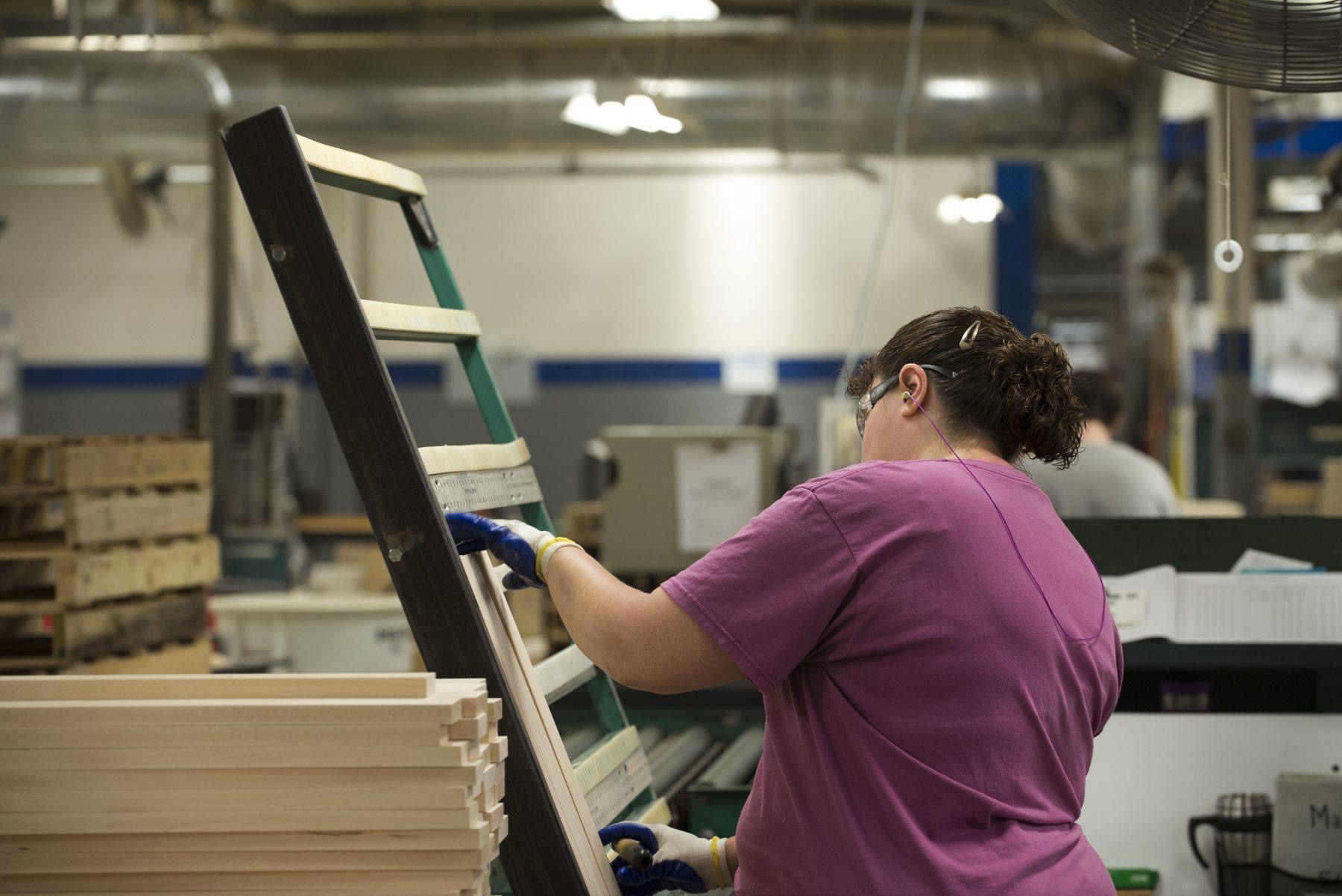
Alt text: Craftsperson handling a solid hardwood panel
Web filename: craftsperson-solid-hardwood-panel.jpg
Original file: 10972_Conestoga Wood_ab_043.jpg
Lifetime value changes the math of a purchase. A piece that serves a household for decades, then moves on to the next generation, can cost less per year of use than furniture that has to be replaced. It also carries something a price tag cannot capture: the memories of the meals, homework and conversations that happened around it.
A few ways to put real hardwood where it matters most:
- Start with the gathering pieces. Dining tables and chairs see daily use and are the pieces most likely to become heirlooms.
- Choose species for the job. Harder species such as hard maple (1,450 lbf on the Janka scale) and white oak (1,360 lbf) are natural fits for busy tabletops. Cherry (950 lbf) and black walnut (1,010 lbf) bring rich color to beds, dressers and sideboards.
- Work with a maker. A local furniture maker can build in the species, size and style you want.
Is Real Wood Furniture a Sustainable Choice?
Real American hardwood comes from a renewable, growing resource. U.S. forests regrow about 1.66 cubic feet of hardwood for every 1 cubic foot harvested, according to AHEC, and U.S. hardwood growing stock is up roughly 90% since the 1950s, according to USDA Forest Inventory and Analysis data.
Longevity is part of the sustainability story. Susan Pilato frames the question this way: “Where is this product going to be in 10 years?” In her view, sustainability labels can “obscure the fact that solid wood is one of the most sustainable, renewable materials you can use.” A table built to last for generations keeps serving long after a short-lived piece would have been replaced.
Veneer and hardwood plywood add to that story. Slicing a log into thin veneer lets makers carry beautiful figure across large surfaces, so the natural character of a single tree can grace many pieces.
How Do You Make Sure You Are Buying Real Wood Furniture?
Ask for it by name. The American Hardwood Information Center’s advice is direct: “be sure to ask questions.” A knowledgeable retailer, maker or designer should be able to tell you which species a piece is made from and whether each visible surface is solid hardwood, hardwood veneer or a printed surface.
Useful questions include:
- What species is this? Look for named hardwoods such as oak, maple, cherry, walnut, ash or hickory.
- Is the visible surface real wood? Solid hardwood and hardwood veneer are both real wood. Printed laminate, vinyl and foil are not.
- What does “finish” or “look” mean in this description? Phrases like “cherry finish” can describe a color rather than the species.
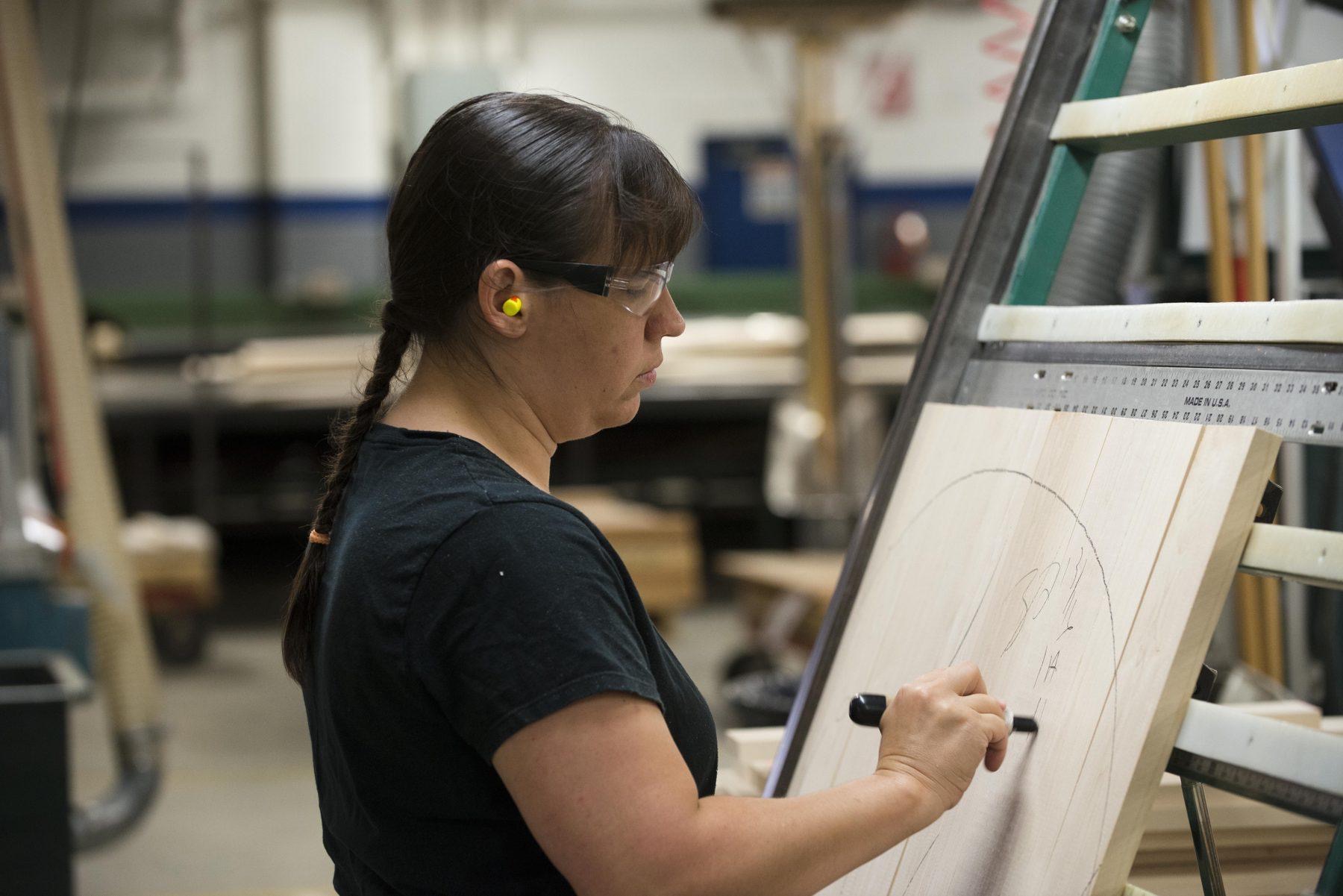
Alt text: Craftsperson marking a solid hardwood panel
Web filename: marking-solid-hardwood-panel.jpg
Original file: 10972_Conestoga Wood_ab_048.jpg
Our companion guide covers these questions in more detail, including how to read product descriptions and work with local makers.
What is the oldest piece of real wood furniture in your home, and where did it come from? Tell us its story. A table or dresser that has traveled through a few moves and a few generations says more about real hardwood than any spec sheet can.
Frequently Asked Questions
Is veneer furniture real wood? Yes. The American Hardwood Information Center defines hardwood veneer as “thin slices of hardwood bonded to composite board or plywood.” Veneer is cut from real logs, and the Wood Handbook notes that species like black cherry are used for fine veneer panels.
What is the difference between real wood and wood-look furniture? Real wood furniture has a surface of genuine hardwood, either solid or veneer. Wood-look furniture uses a laminate, vinyl, foil or paper surface, often printed with photographs of wood grain, over a composite panel such as particleboard or MDF.
Is real wood furniture worth the price? For pieces you want to keep, yes. The American Hardwood Information Center notes that solid American hardwood offers the potential for many generations of hard use, and real wood brings natural beauty that a printed surface can only imitate.
Is real wood furniture sustainable? American hardwood comes from a growing resource. AHEC reports that U.S. forests regrow about 1.66 cubic feet of hardwood for every cubic foot harvested, and USDA Forest Inventory and Analysis data show growing stock up roughly 90% since the 1950s.