

Which Reddish Hardwood Is Right? A Color Guide to Warm American Species
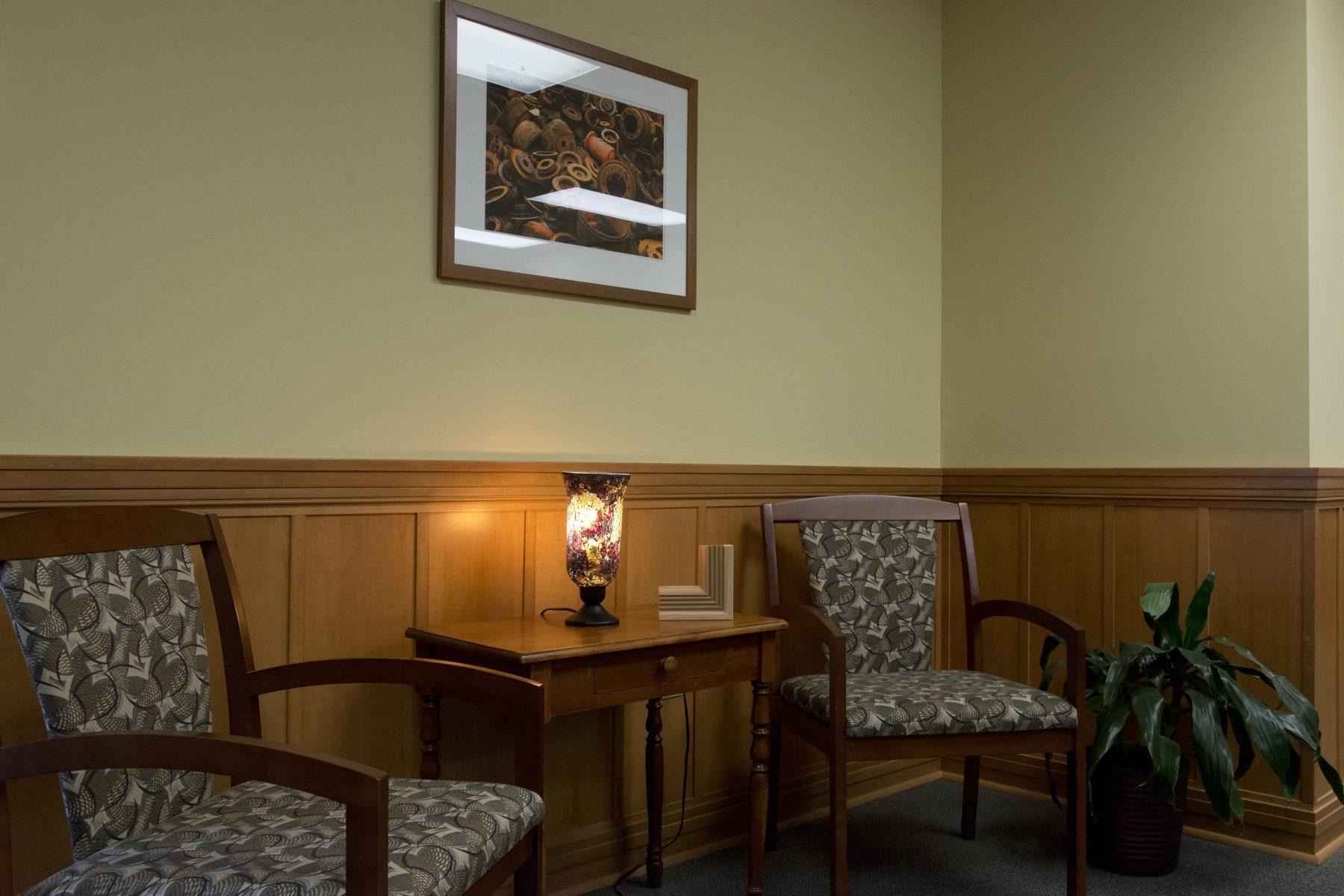
The best-known reddish hardwood in America is black cherry, which matures from light pinkish brown to a rich reddish brown. Red oak, red alder, red gum and soft maple heartwood also carry natural red tones, while black walnut is the classic dark American species, ranging from pale brown to deep chocolate.
Color is often the first thing that draws people to wood. American forests offer a remarkable palette of warm, red and dark tones straight from nature, no stain required. This guide walks through the most loved reddish and dark domestic species, explains how their color matures with time and shows where each one shines in a home.
Which American Hardwoods Have a Natural Reddish Color?
The main reddish American hardwoods are black cherry, red oak, red alder, red gum (the heartwood of American sweetgum) and the heartwood of soft maple. Each comes by its color naturally, and each lands on a different point of the warm spectrum.
- Black cherry. The American Hardwood Information Center describes cherry heartwood as ranging “from rich red to reddish brown.” It is the wood most people picture when they think of a red wood.
- Red oak. Heartwood is a pinkish to reddish brown, according to the American Hardwood Information Center, and The Wood Database describes it as light to medium brown, “commonly with a reddish cast.”
- Red alder. The Wood Database lists its color as “light tan to reddish brown,” with no clear distinction between heartwood and sapwood.
- Red gum. The heartwood of American gum is sold as redgum and is “reddish brown, often with darker streaks,” per the American Hardwood Information Center. The pale sapwood is sold separately as sapgum.
- Soft maple heartwood. Soft maple’s heartwood ranges from light to dark reddish brown, according to the American Hardwood Information Center, and most soft maple lumber is sold unselected for color, so it carries a lively natural mix.
Hickory adds a subtler red note: its heartwood is light to medium brown “with a reddish hue,” per The Wood Database.
Which American Hardwoods Are Naturally Dark?
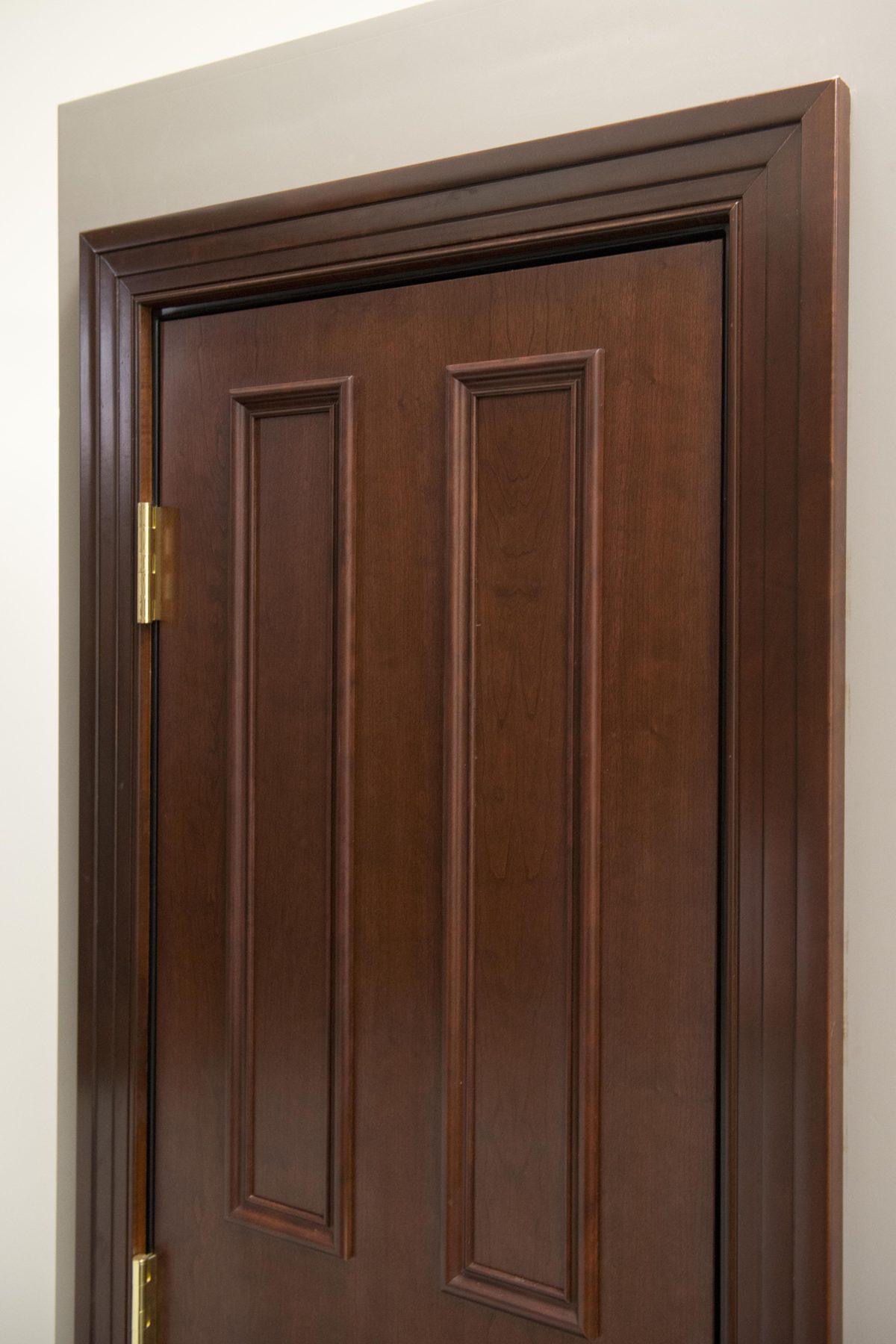
Black walnut is the classic dark American hardwood. The Wood Database describes its heartwood as ranging “from a lighter pale brown to a dark chocolate brown with darker brown streaks,” sometimes with a gray, purple or reddish cast. The American Hardwood Information Center calls walnut “a favored wood for use in contrast with lighter-colored species,” which is why walnut so often appears as inlay, trim or a feature piece set against pale wood.
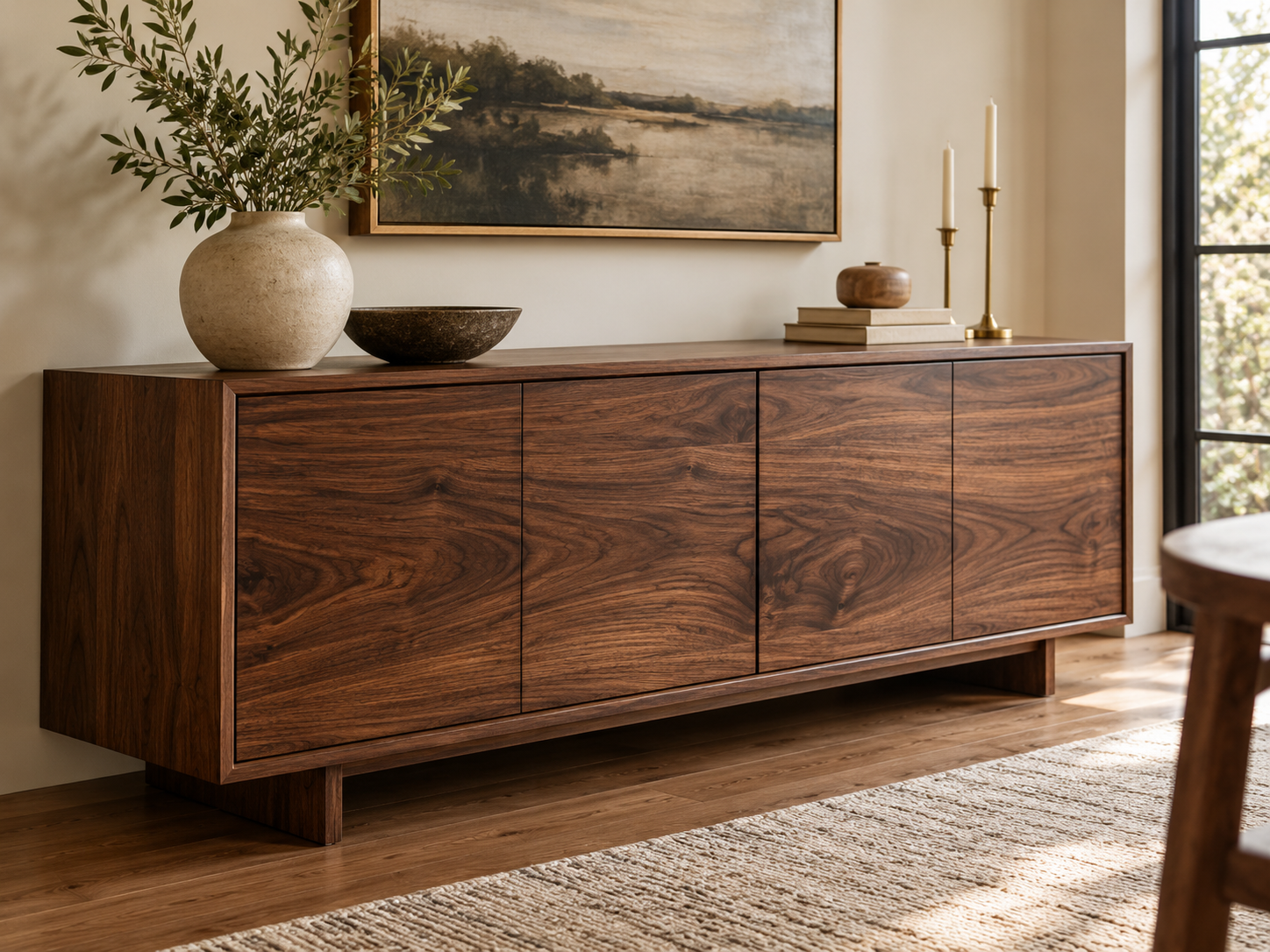
Walnut is rarely stained, according to The Wood Database. That is the beauty of choosing it: the deep brown is already there. The American Hardwood Information Center notes that walnut is usually supplied steamed to darken the pale sapwood so boards read more evenly.
How Do the Warm and Dark Hardwoods Compare?
Each warm American species pairs its color with its own grain and hardness, so you can match the look you love to the way a piece will be used. Janka hardness, a standard measure of wood hardness, is a handy guide for tabletops and cabinet doors.
Black cherry is light pinkish brown when freshly cut and matures to a medium reddish brown with age and light. At 950 lbf, it is a classic for fine furniture, cabinetry, millwork, paneling and turnings.
Red oak offers pinkish to reddish brown heartwood with bold, open grain. At 1,220 lbf, it is a versatile choice for furniture, cabinets, millwork, doors and paneling.
Red alder ranges from light tan to reddish brown and darkens and reddens with age. The Wood Database rates it at 590 lbf, and its fine, even surface makes it a favorite for furniture, cabinets, doors, millwork and carvings.
Red gum brings reddish-brown heartwood, often with darker streaks, to cabinets, furniture parts, doors, millwork and moulding.
Soft maple heartwood spans light to dark reddish brown. Red maple, a primary soft maple, rates 950 lbf and is used for furniture, cabinets, millwork, doors and paneling.
Hickory is light to medium brown with a reddish hue and is one of the hardest American species (shagbark hickory rates 1,880 lbf), a natural fit for hardworking cabinetry and furniture.
Black walnut runs from pale brown to dark chocolate brown and rates 1,010 lbf. It is prized for furniture, cabinets, millwork, doors and paneling.
From the gentle blush of alder to the depth of walnut, there is a warm American hardwood for nearly every style.
Why Do Some Reddish Hardwoods Deepen Over Time?
Cherry and alder both deepen in color after cutting, mainly with exposure to light and air, and that maturing color is part of their appeal. The Wood Database describes freshly cut cherry heartwood as “a light pinkish brown” that becomes “a medium reddish brown with time and upon exposure to light.” The American Hardwood Information Center states that cherry “will darken with age and on exposure to light.”
That aged color is so admired that The Wood Database notes woodworkers sometimes speed the process with controlled sunlight.
Red alder follows a similar path. The American Hardwood Information Center notes that alder is nearly white when freshly cut and turns light brown with yellow or reddish tones on exposure to air, and The Wood Database says its color “darkens and reddens with age.”
For homeowners, the experience is a pleasure to watch:
- Enjoy the change. A new cherry or alder piece will grow richer over its first few years in your home.
- Match to aged color. When adding new millwork beside existing cherry, ask your maker to show you how the new wood will look once it has matured.
What Are Designers Creating With Warm American Hardwoods?
Designers around the world are celebrating these warm species. In “Echoes of the Woods,” an exhibition created by the American Hardwood Export Council (AHEC) and curated by Cooollect, ten Chinese designers reimagined red oak, cherry and maple. Zhao Yun created a red oak sculptural installation interpreting the structure of plant growth, Tang Chengxi paired red oak with handcrafted lacquer, and artist Zhang Min assembled maple, red oak and cherry into stair and doorway forms. Red oak even inspired a bar named for its color. For The Blushing Bar, shown at Milan Design Week in 2019, architects Zoe Chan and Merlin Eayrs of Chan + Eayrs worked with furniture designer-maker Sebastian Cox to build the entire piece from red oak, then pressure-injected the wood with water-based calligraphy ink that traveled through its naturally large vessels to create a pink glow that highlights the grain.
Which Reddish Hardwood Should You Choose for Furniture and Cabinets?
Choose cherry for a deep natural red that matures over time, red oak for warm tones with strong grain and generous hardness, and alder or soft maple for a gentle warmth that also takes stain well.
- Fine furniture. Black cherry is the classic choice. The American Hardwood Information Center lists fine furniture and cabinetry first among its uses and describes its texture as fine, uniform, satiny and smooth.
- Kitchen cabinets. Red oak, cherry, alder and soft maple all appear on the American Hardwood Information Center’s list of kitchen cabinet woods. Red oak brings the most hardness of the reddish options at 1,290 lbf, along with bold, open grain.
- A cherry or walnut tone under stain. The American Hardwood Information Center notes that stained alder “blends seamlessly” with walnut or cherry tones, a lovely option when a design calls for consistent color.
- Contrast pieces. Walnut is the dark wood of choice for contrast, set against pale species such as hard maple or ash.
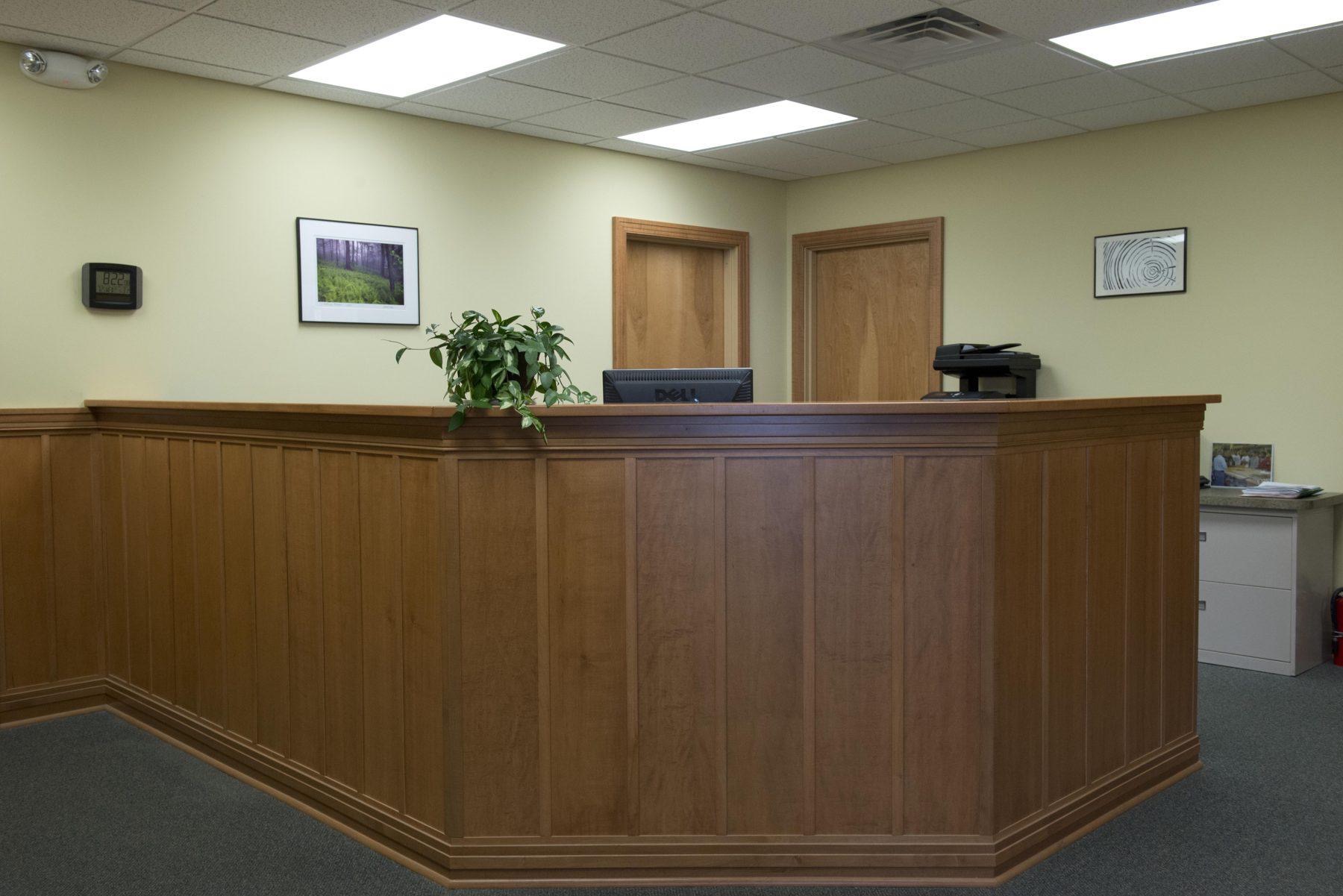
Whichever you love, ask your designer, maker or retailer for real American hardwood by species name. Every one of these colors also comes from a renewable domestic resource: U.S. forests regrow about 1.66 cubic feet of hardwood for every cubic foot harvested, according to AHEC.
Which warm hardwood has your vote: cherry, red oak, alder or walnut? Tell us what you chose and how its color has grown on you.
Frequently Asked Questions
What is the classic reddish American hardwood? Black cherry is the American species best known for its natural red color. Its heartwood starts light pinkish brown and matures to a medium reddish brown with light exposure.
Is red oak actually red? Red oak heartwood is a pinkish to reddish brown, warmer than white oak but not a true red.
Which American hardwood is the darkest? Black walnut is the classic dark American hardwood, with heartwood ranging from pale brown to dark chocolate brown. It is rarely stained, and its pale sapwood is usually steamed to blend.
Can alder be stained to look like cherry? Yes. The American Hardwood Information Center notes that alder blends with walnut or cherry tones when stained. Unstained alder also darkens and reddens beautifully with age.