

Why Your House Deserves Better Wood Cladding Siding
What Is Wood Cladding Siding (And Which Type Is Right for You)?
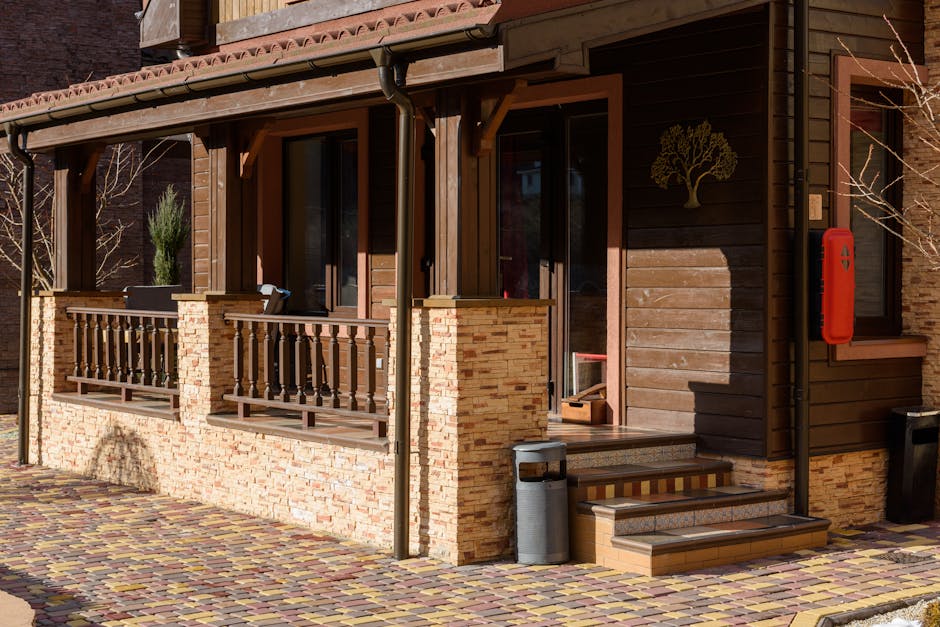
Wood cladding siding is one of the most impactful upgrades you can make to a home's exterior — but not all wood siding is created equal.
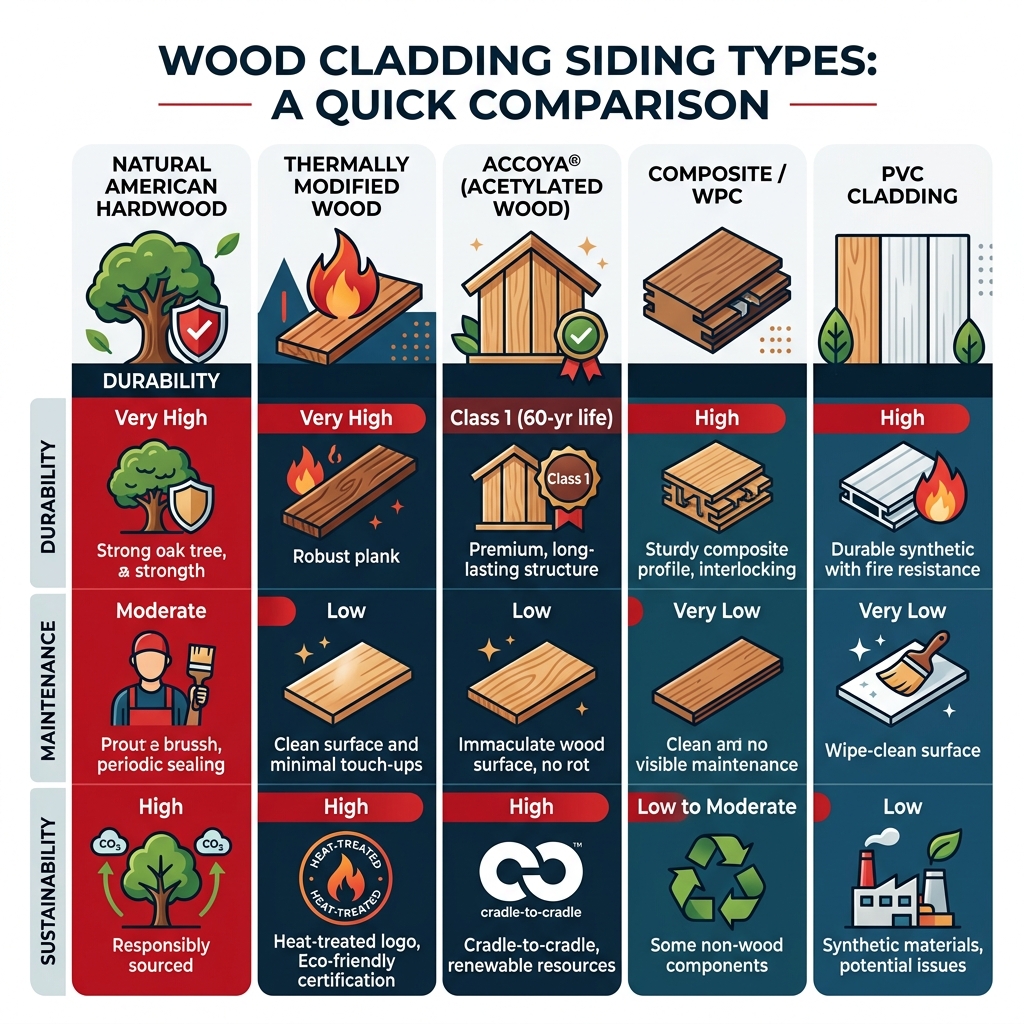
Here's a quick comparison of the main wood cladding siding options to help you decide fast:
The short answer: If you want real wood beauty with long-term performance, natural hardwood or thermally modified wood cladding is your best bet.
Prices start as low as $2/linear foot for some species and treated options, and climb to $6+/linear foot for premium hardwoods like White Oak. The right choice depends on your climate, budget, and how much you value sustainability.
What makes wood cladding different from traditional siding isn't just looks. It's the way it manages moisture, adds architectural depth, and — when sourced responsibly — actually captures carbon rather than contributing to emissions, according to the USDA Forest Service.
I'm Jonathan Geyer from Real American Hardwood Company, and I've spent years sourcing, milling, and advising on premium American hardwoods for exterior applications including wood cladding siding for both residential and commercial projects. In this guide, I'll walk you through every major option so you can make a confident, well-informed choice.
Understanding Wood Cladding Siding vs. Traditional Siding
When most people think of "siding," they picture thin strips of material nailed flat against a wall. Wood cladding siding operates on a different level of architectural sophistication. While traditional siding is often purely a protective "skin," modern wood cladding frequently utilizes advanced engineering like rainscreen systems to provide superior moisture management and thermal performance.
Defining the Modern Rainscreen
A rainscreen is a method of installation where the wood cladding siding is separated from the water-resistant barrier of the home by a small air gap (usually created by furring strips). This gap is crucial for several reasons:
- Ventilation Gaps: They allow air to circulate behind the boards, drying out any moisture that seeps through.
- Vapor Barriers: By keeping the wood away from the house's structural sheathing, you prevent rot and mold growth.
- Airflow: The chimney effect created in the gap helps regulate the temperature of the wall, keeping your home cooler in the summer.
- Structural Integrity: This system reduces the hydrostatic pressure of wind-driven rain, essentially "neutralizing" the weather before it hits your home's bones.
Aesthetic Differences
Beyond the technical perks, the visual Advantages of Hardwood are unmatched. Unlike the repeating patterns found in non-wood alternatives, natural wood offers a unique grain for every single board. You can achieve incredible architectural depth through:
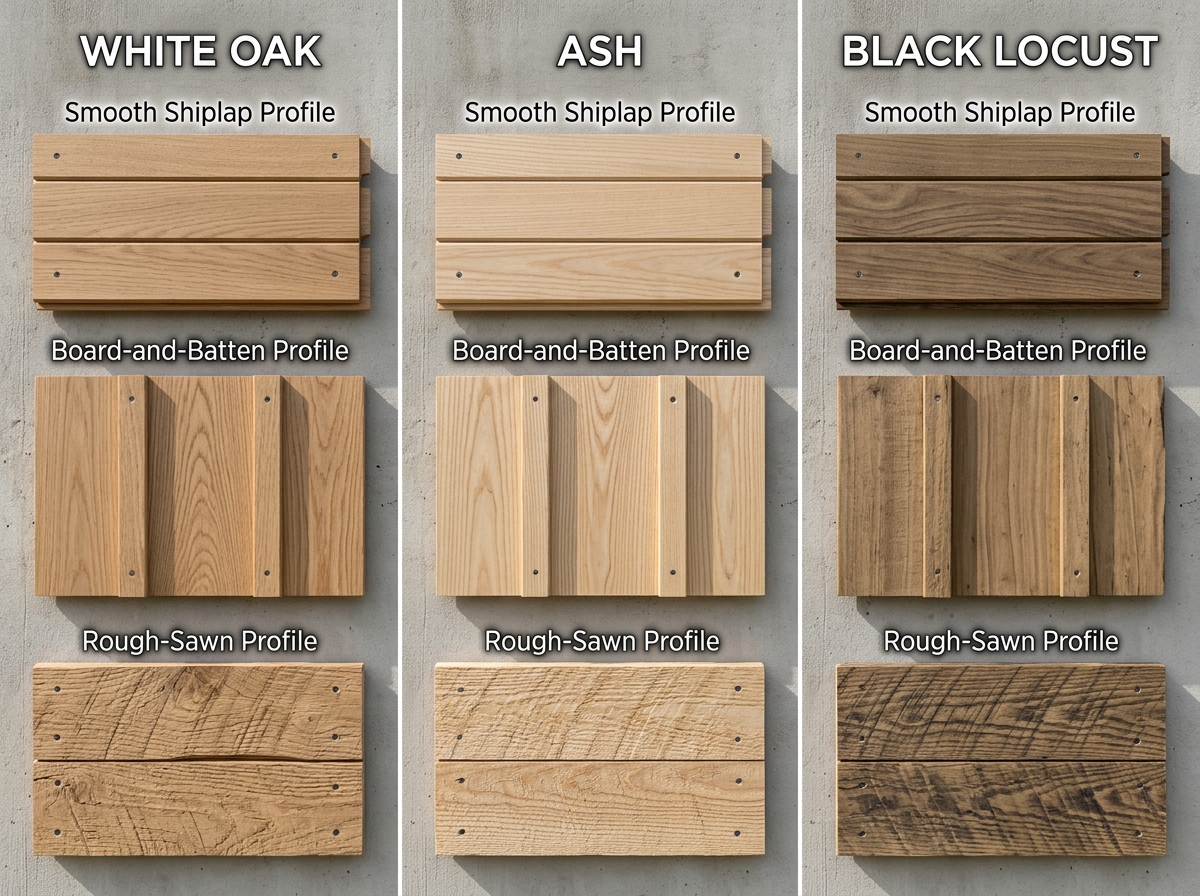
- Profile Variety: From the clean lines of shiplap to the bold texture of board-and-batten.
- Shadow Lines: Deeper profiles create dramatic highlights and shadows that change throughout the day.
- Custom Finishes: Whether you want a high-UV oil to keep the honey tones or you prefer the "silver fox" look of weathered wood, the choice is yours.
Top Material Options for Your Exterior
Choosing the right species is the most critical decision in your project. You want a wood that doesn't just look good on day one, but stands up to the "big three" of exterior damage: water, UV rays, and insects.
Natural American Hardwood Cladding Siding
American hardwoods are a world-class choice for wood cladding siding because our forests are managed to the highest sustainability standards. In fact, American hardwood forests are growing at a rate 2.5 times faster than they are being harvested. Here are the top contenders:
- White Oak: Famous for its closed-cell structure (tyloses), which makes it naturally resistant to water and decay. It’s the gold standard for durability in the American forest.
- Ash: While traditionally used for furniture, when thermally treated, Ash becomes an exterior powerhouse with a stunning, prominent grain.
- Black Locust: One of the hardest and most rot-resistant woods in North America, offering exceptional longevity.
- Hickory: Known for its extreme hardness and dramatic color variations, perfect for a rustic yet high-performance facade.
To find the right fit for your aesthetic and regional climate, check out our Hardwood Species Guide.
Thermally Modified Wood Cladding Siding
If you love the look of wood but live in a particularly harsh climate, thermally modified wood is a game-changer. This process uses heat and steam (no chemicals!) to "cook" the sugars out of the wood.
- Moisture Repulsion: The process changes the wood at a molecular level, making it "hydrophobic." It simply doesn't want to absorb water anymore.
- Enhanced Stability: Because it doesn't absorb moisture, it won't warp, shrink, or swell like untreated lumber.
- Durability: It effectively "tricks" rot and insects because the nutrients they usually feed on are gone.
Performance, Maintenance, and Cost Comparisons
When comparing wood cladding siding to other exterior alternatives, you have to look at the "Lifecycle Value." While wood might have a higher upfront cost, its service life and the value it adds to your property often make it the more economical choice over decades.
Long-term Durability and Warranties
High-end wood cladding options offer peace of mind that rivals any other material.
- Class 1 Rating: This is the highest durability rating possible, indicating a service life of 60+ years under certain standards (like BS 8417).
- Decay Resistance: Species like White Oak and thermally modified Ash are naturally resistant to fungal decay.
- WUI Compliance: In fire-prone areas, certain wood products meet Wildland Urban Interface (WUI) standards to resist flame spread and embers.
Investment and Pricing Factors
Pricing for wood cladding siding is typically quoted in linear feet (lf) or square feet (sq ft).
- Linear Footage: Premium hardwoods like White Oak start around $6/lf, while domestic species or thermally modified options can range from $2/lf to $5/lf.
- Installation Labor: Expect to pay more for skilled labor if you are installing a complex rainscreen or a "blind-nail" system.
- Lifecycle Value: Unlike other materials, which must be replaced if they crack or fade, wood can be sanded and refinished, lasting for generations.
For more on how wood performs in the elements, see our guide on Hardwood in Outdoor Spaces.
Installation Methods and Best Practices
A beautiful piece of wood can fail if it's installed poorly. The goal is to allow the wood to "breathe" while ensuring it stays firmly attached to the structure.
Popular Profiles and Joints
The "profile" refers to how the boards fit together.
- Shiplap: Boards overlap to create a water-shedding surface. It’s a classic look that requires face-screwing or a screw-and-plug method.
- Tongue-and-Groove (T&G): One side of the board fits into the other. This allows for "blind nailing," where the fastener is hidden by the next board.
- V-Groove: A variation of T&G that creates a distinct "V" shape at the joint, highlighting the individual boards.
- Open-Joint Systems: Boards are spaced slightly apart (usually with a black UV-resistant barrier behind them). This is the pinnacle of modern architectural design and offers maximum ventilation.
Common Installation Mistakes to Avoid
- Improper Spacing: Wood expands and contracts. If you don't leave expansion gaps (sometimes as small as 2/16" depending on the temperature), the boards can buckle.
- Neglecting Sealants: Even "maintenance-free" wood benefits from factory-oiling on all four sides to prevent uneven drying and checking.
- Substructure Failure: Ensure your furring strips are level and made of rot-resistant material.
- Poor Ventilation: If you're building a rainscreen, don't block the air intake at the bottom or the exhaust at the top!
Frequently Asked Questions about Wood Cladding
How much does wood cladding siding cost?
Costs vary wildly based on species and milling. Domestic hardwoods are often more cost-effective because they don't have the massive shipping logistics costs associated with overseas materials. On average, expect to spend $15 to $30 per square foot for high-quality wood cladding materials and installation.
What are the most eco-friendly siding options?
Natural American hardwood is the most sustainable choice on the planet. Wood is a truly renewable resource that captures carbon for its entire life. Look for certifications like FSC (Forest Stewardship Council) or PEFC to ensure the wood was harvested from responsibly managed forests. Unlike other siding options, wood production requires very little energy and produces zero toxic byproducts.
How do I calculate the quantity needed for my project?
Most wood cladding siding is sold by the box or bundle.
- Calculate your total wall square footage (Length x Height).
- Subtract the area of windows and doors.
- Add a 10% waste factor for cuts and mistakes.
- Convert to linear feet if necessary (Square Footage x 12 / Width of the board).
Conclusion
Your home is likely your biggest investment, and it deserves a facade that reflects that. Wood cladding siding offers a rare combination of high-performance engineering, timeless beauty, and environmental responsibility. By choosing American hardwoods, you are supporting Sustainability and the health of our domestic forests, which grow 2.5 times faster than we use them.
Ready to transform your exterior? Whether you choose the rugged durability of White Oak or the modern stability of thermally modified Ash, you’re making a choice that will age gracefully for decades.
Visit us at Build Your World to explore more ways to incorporate the warmth and strength of real American hardwood into your next project.