

Why American Hardwood Is the Standard for Kitchen Cabinet Construction
American hardwood is the industry standard for kitchen cabinet construction because it machines cleanly, accepts stain and paint consistently, and holds fasteners reliably over decades of use. No. 1 Common grade, defined by the NHLA as the cabinet grade, provides the clear cuttings needed for face frames and door panels without the cost premium of FAS-grade material.
What NHLA Grades Are Used in Cabinet Production?
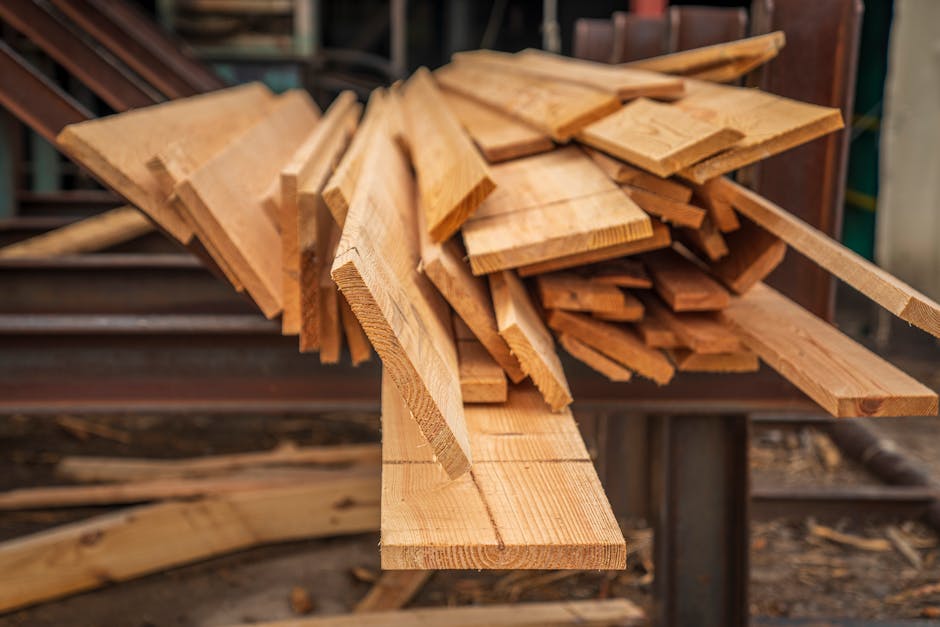
NHLA No. 1 Common is the grade most widely used in cabinet manufacturing. It yields a minimum 66.7% clear wood from the board, producing the short, wide cuttings appropriate for cabinet door panels, face frame rails and stiles, and drawer fronts. For full-length stiles or unusually wide panels, FAS grade is specified.
Using authentic materials highlights the Advantages of Hardwood over standard construction softwoods. When assessing Hardwood vs Lookalikes, real American hardwoods provide unmatched density, structural strength, and natural resistance to wear.
The cabinet industry has historically driven demand for No. 1 Common because the manufacturing process optimizes yield from mixed-length cuttings, making lower-grade material economically efficient without sacrificing finished quality.
Which American Hardwood Species Are Most Used for Kitchen Cabinets?

Selecting the right species is key to appreciating the value of Renewable Timber for Construction.
Hard Maple (Acer saccharum)
Hard maple is the dominant species in painted cabinetry. Its fine, consistent grain accepts primer without bleed-through, and its 1,450 lbf Janka rating resists denting at door edges and drawer fronts. It is also the standard substrate for thermofoil and catalyzed lacquer finishes.
Red Oak (Quercus rubra)
Red oak remains one of the most widely specified stained cabinet species. Its open grain accepts pigmented stains predictably, and its 1,290 lbf Janka rating provides adequate hardness for high-use environments. It is available at No. 1 Common grade in volume from Appalachian and Central Hardwood mills.
Premium Hardwood Species for Cabinetry
Choosing these premium materials is an opportunity to support sustainable forestry by choosing Sustainable Wood Products USA. Homeowners can experience the true Power of Hardwood, making a Hardwood Age Old Sustainable Choice that actively benefits the planet.
American Cherry (Prunus serotina)
Cherry is specified for its warm reddish-brown heartwood, which deepens with UV exposure over time. At 950 lbf Janka, it is softer than oak or maple but sufficiently hard for cabinet applications. Its fine grain requires minimal preparation for clear finishes.
American Walnut (Juglans nigra)
Walnut is the premium specification for contemporary and transitional kitchen design. Its 1,010 lbf Janka rating, rich chocolate-brown heartwood, and straight grain produce cabinet faces that are structurally sound and visually distinctive. It is available primarily at FAS grade for face-frame applications.
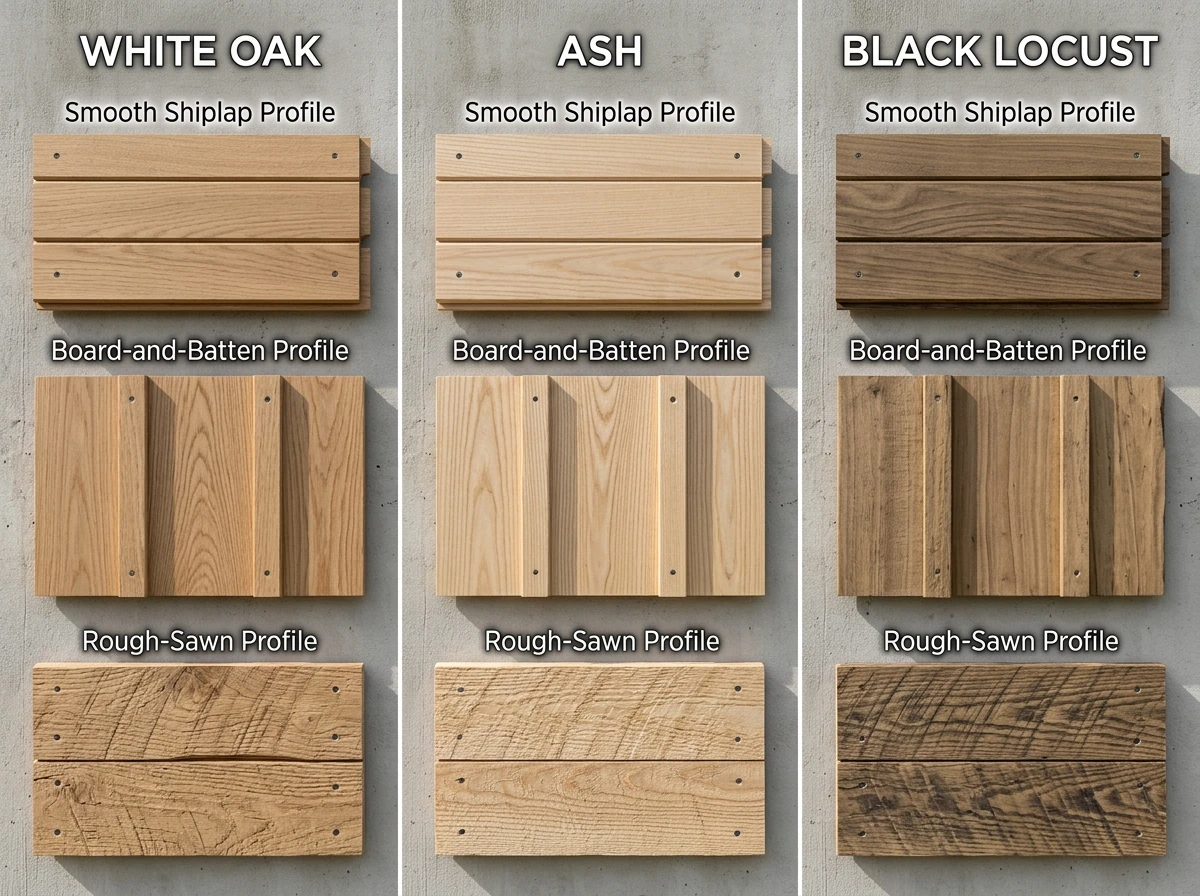
American Ash (Fraxinus spp.)
Ash is specified where prominent, open grain is desired at a lower cost than oak. Its 1,320 lbf Janka rating and light, creamy color accept a wide range of stain tones. It is well suited to transitional and Scandinavian-influenced kitchen designs.
Solid Hardwood vs. Engineered Hardwood for Cabinet Construction
When choosing materials, understanding the differences between solid and engineered options is essential. This comparison highlights Why Real Hardwood remains superior to synthetic lookalikes, especially when Creating a Rustic Hardwood Home.
| Factor | Solid Hardwood | Engineered Hardwood |
|---|---|---|
| Dimensional stability | Can expand and contract seasonally | More stable across humidity ranges |
| Face appearance | Full hardwood grain through full thickness | Real hardwood face; same appearance |
| Repairability | Can be sanded and refinished multiple times | Limited refinishing based on veneer thickness |
| Applications | Face frames, doors, drawer fronts | Panels, box sides in variable humidity environments |
| Specification standard | NHLA graded; grade-stamped | HPVA or NHLA graded veneer face |
How Does Hardwood Cabinet Quality Affect Home Resale Value?
According to the National Association of Realtors (NAR) and multiple appraisal studies, kitchen quality is consistently ranked among the top three factors in home resale valuations. Hardwood cabinet construction in identifiable species such as walnut, cherry, or figured maple is noted by appraisers and buyers as a quality marker that supports premium pricing relative to MDF or thermofoil alternatives.
To maximize the asset, homeowners can See the Value of incorporating high-end hardwood finishes. Using durable Hardwood in Outdoor Spaces alongside premium interior cabinetry ensures the home maintains a high appraisal value.
What hardwood species are you currently specifying for cabinetry? From classic red oak to contemporary walnut, every project tells a different story. Share what species you have used and what drove that choice, or ask a question about grade selection for your next build.
Frequently Asked Questions
What is the best wood for kitchen cabinets?
Hard maple and red oak are the most widely used species for kitchen cabinets in the U.S. market. Maple is preferred for painted finishes; oak for stained. Walnut and cherry are the standard specifications for high-end residential and hospitality projects.
Is solid wood better than plywood for cabinet boxes?
For face frames and door panels, solid hardwood is standard. For cabinet box construction, hardwood plywood with a real wood veneer face offers superior dimensional stability, particularly in humid environments such as kitchens and bathrooms.
How long do hardwood cabinets last?
Properly constructed solid hardwood cabinets can last 50 years or more with standard maintenance. The joinery method and finish quality are the primary determinants of longevity, not the species alone.
What hardwood is easiest to paint?
Hard maple is the industry standard for paint-grade cabinetry. Its fine, closed grain requires minimal preparation and accepts primer and paint without the grain telegraphing through the finish. Tulipwood (yellow poplar) is also widely specified for paint-grade moulding and trim.
Conclusion
Choosing American hardwood for kitchen cabinet construction represents a commitment to quality, durability, and timeless design. Whether you select hard maple, red oak, cherry, walnut, or ash, real wood provides unmatched performance and aesthetic appeal.
To explore how real American hardwood can elevate your next building project, visit https://www.realamericanhardwood.com/build-your-world and discover the natural benefits of choosing sustainable, enduring wood. For more details on the health advantages of real wood, read our guide on /hardwood-health-benefits.