

How Does Hardwood Flooring Affect Indoor Air Quality?
Hardwood flooring supports healthier indoor air quality than carpet and most synthetic alternatives. Its smooth, sealed surface does not trap allergens, does not off-gas volatile organic compounds (VOCs) when finished with CARB Phase 2-compliant products, is cleanable with standard methods, and does not harbor microbial growth as readily as fibrous materials.
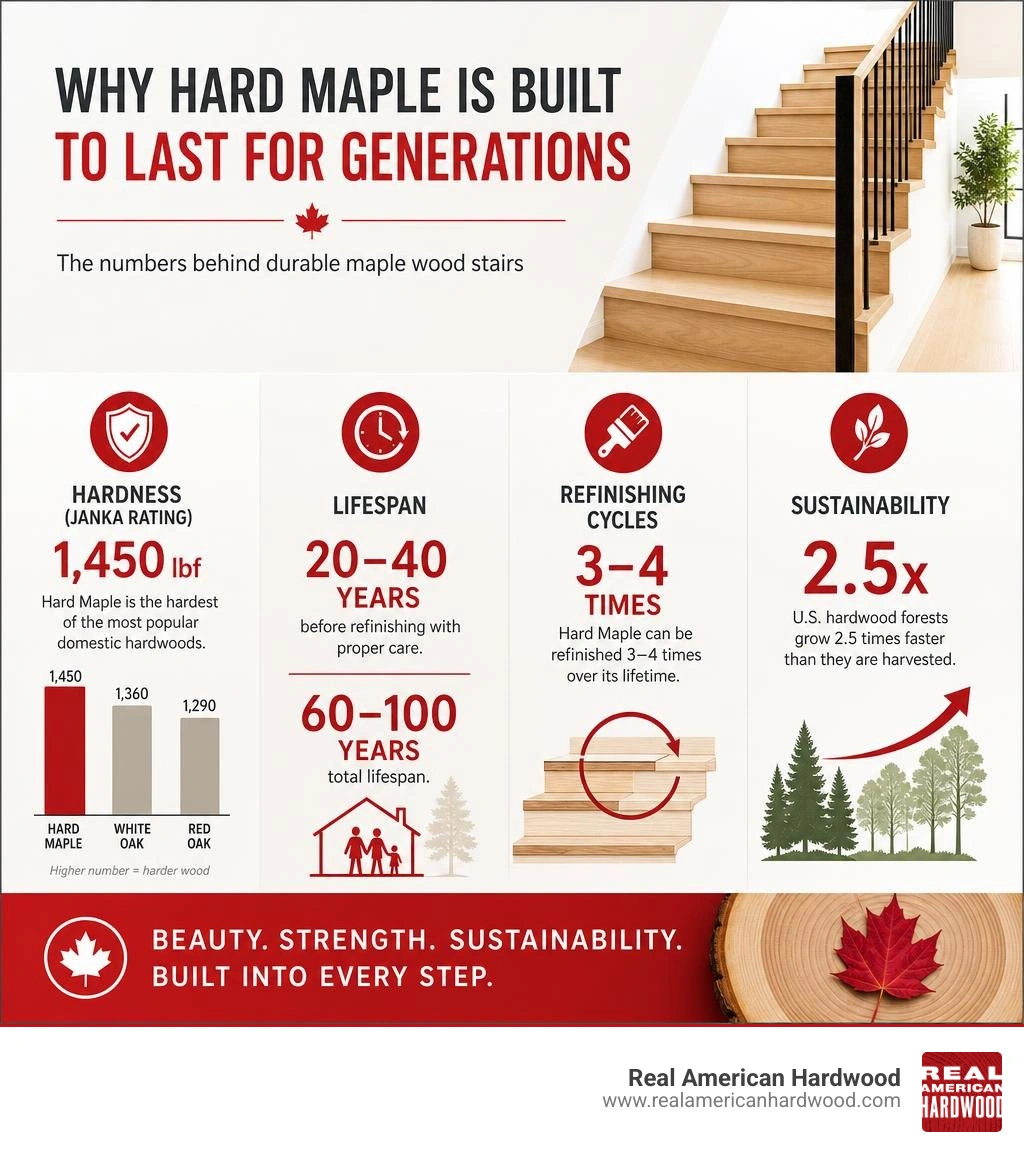
Quick look at durable wood flooring:
What Are the Indoor Air Quality Advantages of Hardwood?

- No fiber matrix to trap allergens: Unlike carpet, hardwood offers no substrate for dust mites, pet dander, or pollen accumulation.
- No VOC off-gassing when properly finished: CARB Phase 2-compliant finishes and adhesives meet California's strict airborne toxic control standards, the most rigorous in the U.S.
- Ease of cleaning: Particulates on hardwood surfaces can be removed with dry or damp methods. They do not embed in fibers.
- Lower microbial retention: Sealed surfaces do not provide the moisture and fibrous environment that supports mold or bacterial growth under normal interior conditions.
GREENGUARD-certified hardwood products meet UL's standards for chemical emissions in interior environments, including schools and healthcare settings. To understand how hardwood transforms these high-use areas, explore our guide on how to Step Up with Hardwood Staircases. You can also find premium selections via Hard Maple Stair Treads from Baird Brothers | 1-800-732-1697 .
What Does Research Show About Hardwood and Allergens?

Studies conducted in European healthcare and residential settings consistently show that hard-surface flooring correlates with lower allergen loads in interior air. Carpet fibers accumulate and re-release dust mite fecal matter, a primary asthma and allergy trigger, during foot traffic and cleaning.
The American Lung Association identifies hard-surface flooring as a preferred choice for individuals with asthma or allergies because it eliminates the reservoir effect that carpet creates. Particulates remain on the surface where they can be removed, rather than embedding between fibers. When compared to synthetic lookalikes that rely on plastics and chemical adhesives, the health advantages of real wood are clear. Read more about these differences in our comparison of Hardwood vs Lookalikes and discover the Top 5 Reasons to Prioritize Hardwood.
Hardwood vs. Carpet: A Direct Comparison for Allergy and Air Quality

| Factor | Hardwood | Carpet |
|---|---|---|
| Dust mite habitat | None (no fiber substrate) | Significant (fibers trap mites and fecal matter) |
| Pet dander accumulation | Surface only; easily cleaned | Embeds in fiber; requires deep cleaning |
| Pollen trapping | Minimal | High; fibers trap and re-release |
| Cleaning effectiveness | High; surface particulates removed easily | Limited; embedded allergens persist |
| Mold risk (moisture events) | Low with sealed surface | High; fibers retain moisture |
| VOC risk | Low with CARB-compliant finishes | Higher (backing, adhesives, fiber treatment) |
For custom projects, you can find premium selections via Hard Maple Stair Treads - Hardwood Lumber Company . To learn more about selecting sustainable materials, see Choosing the Right Hardwood for Your Home.
What Is CARB Phase 2 and Why Does It Apply to Hardwood?
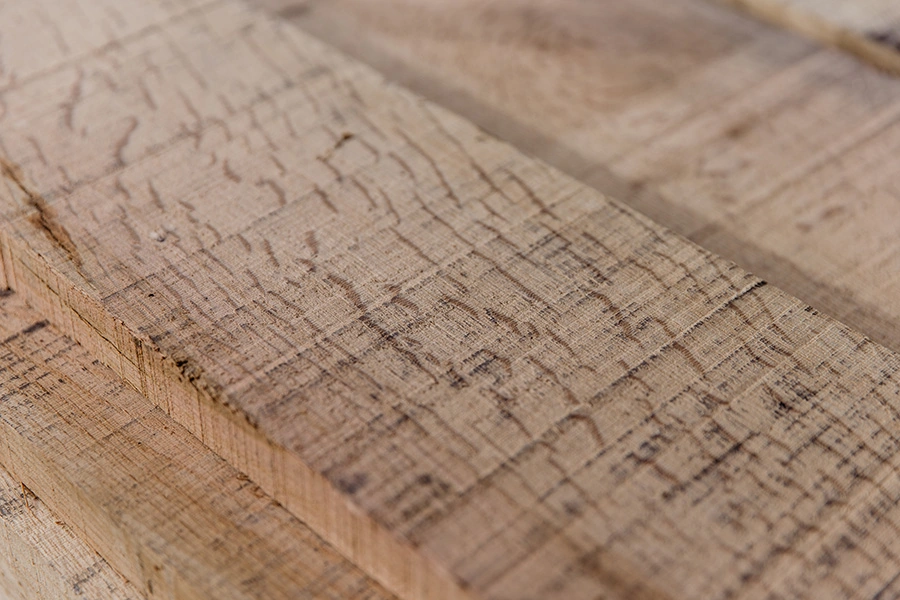
The California Air Resources Board (CARB) Phase 2 Airborne Toxic Control Measure sets maximum formaldehyde emission limits for composite wood products, including the substrates used in engineered hardwood flooring. Products sold or installed in California must meet Phase 2 limits. Many manufacturers apply these standards nationally.
For solid hardwood, VOC risk is primarily associated with the finish rather than the wood itself. Water-based polyurethane and hardwax oil finishes are the lowest-emission options and are the standard specification for environmentally sensitive interior projects. For more finishing tips, check out our Domestic Hardwood Species Complete Guide and refer to our Hardwood Species Guide. To browse full catalogs of high-quality components, explore Hard Maple - Stair-parts.com .
What Is Biophilic Design and How Does Hardwood Support Mental Health?
Biophilic design incorporates natural materials, patterns, and living systems into built environments to support human psychological wellbeing. Research from the University of British Columbia and Austrian studies on wood use in workplaces and healthcare settings shows that visual and tactile exposure to wood surfaces is associated with reduced cortisol levels and lower perceived stress responses.
A 2019 study published in the International Journal of Environmental Research and Public Health found that participants in wood-surfaced rooms reported lower stress and higher comfort than those in rooms without natural materials. Printed wood-look laminates do not produce the same measurable outcomes.
Has indoor air quality influenced a flooring decision in one of your projects?
Whether you were designing for a healthcare environment, a school, or a client with allergies, we want to hear how material selection played a role. Share your experience below.
Frequently Asked Questions
Is hardwood flooring good for people with allergies?Yes. Hardwood eliminates the fiber substrate that carpet uses to trap dust mites, pet dander, and pollen. The American Lung Association identifies hard-surface flooring as preferable for allergy and asthma sufferers. GREENGUARD-certified hardwood products meet strict chemical emission standards for sensitive environments.
Does hardwood flooring off-gas chemicals?Solid hardwood itself does not off-gas harmful chemicals. VOC risk is associated with the finish and adhesive products used during installation. Specifying CARB Phase 2-compliant finishes and waterborne adhesives eliminates measurable VOC emissions in virtually all interior environments.
Is hardwood or carpet better for indoor air quality?Hardwood consistently outperforms carpet for indoor air quality. Carpet fibers accumulate allergens, moisture, and microbial matter that hard surfaces do not. Research in both residential and healthcare settings supports hard-surface flooring for occupants with respiratory sensitivities.
What certifications should I look for in healthy hardwood flooring?GREENGUARD Gold certification (UL Environment) is the most rigorous standard for chemical emissions in interior environments. CARB Phase 2 compliance governs formaldehyde emissions in engineered hardwood substrates. FSC certification ensures responsible forest sourcing.
Conclusion
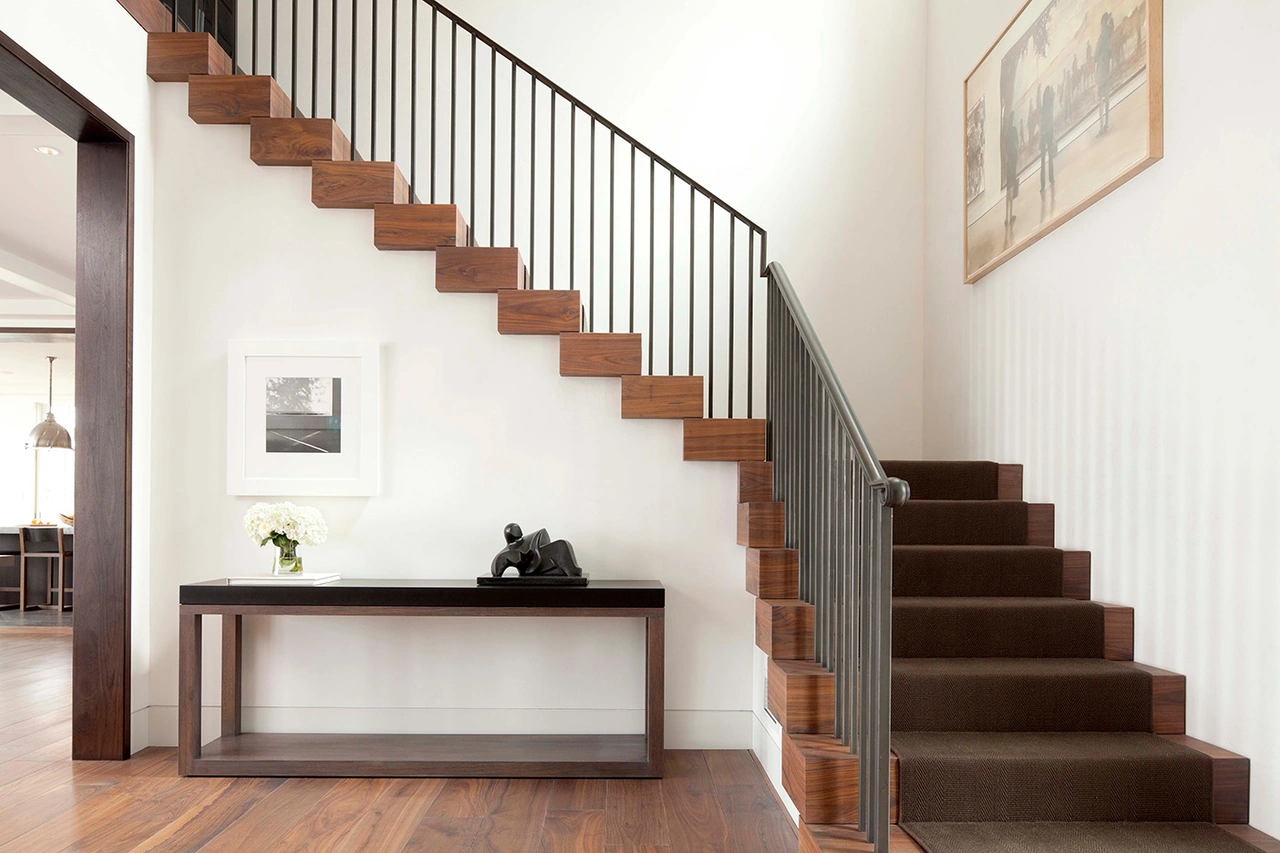
Choosing real wood flooring is a commitment to quality, health, and environmental responsibility. Hardwood offers a rare combination of structural toughness, biophilic beauty, and lifetime value. Explore the endless design possibilities and learn more about the Advantages of Hardwood to start planning your dream space today.