

Green and Mean: Durable Sustainable Wood Flooring for Busy Homes
Why Durable Sustainable Wood Flooring Belongs in Every Busy Home
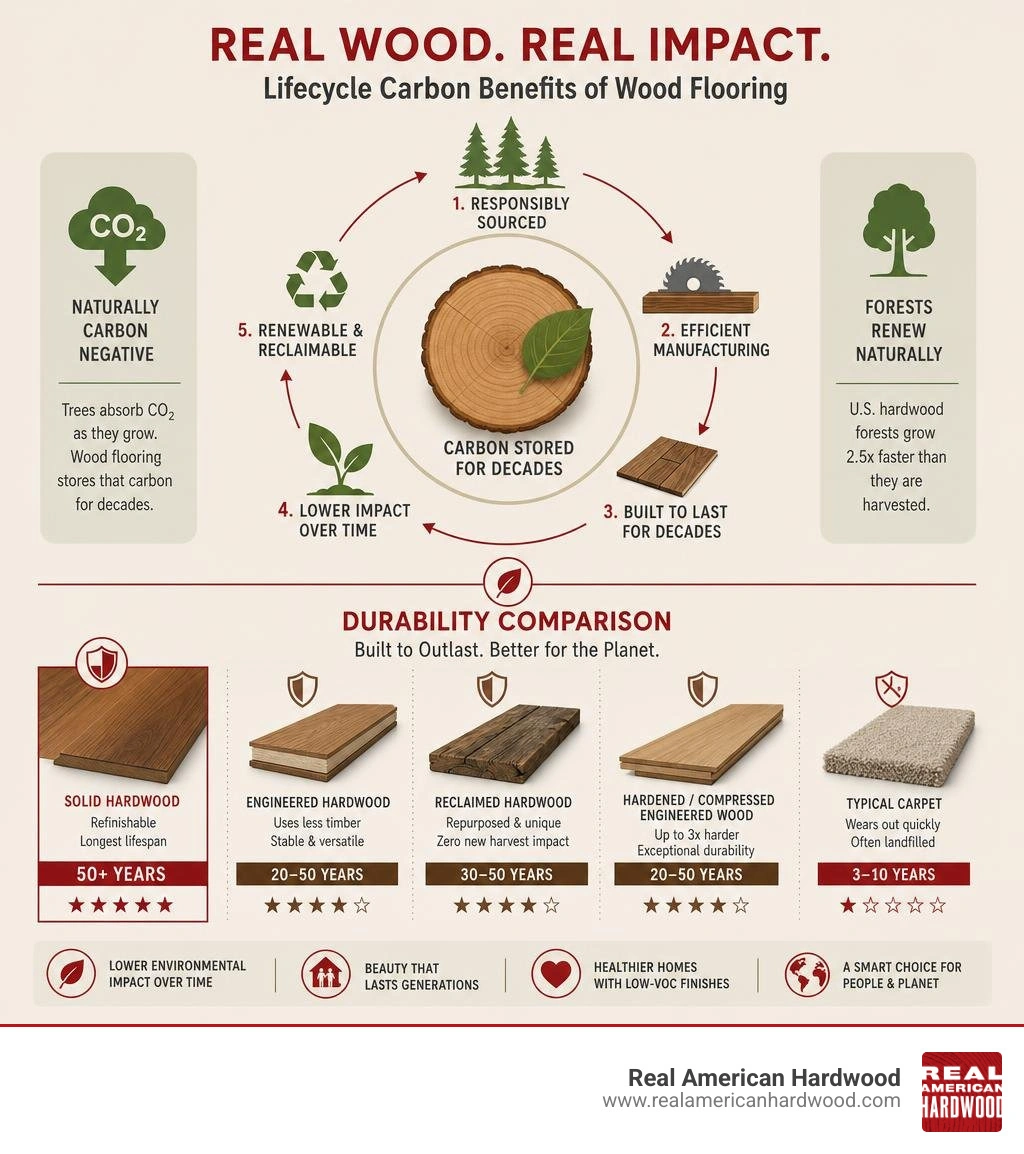
When it comes to flooring that works as hard as your household does, durable sustainable wood flooring checks every box — long lifespan, low environmental impact, and real beauty that holds up over decades.
Quick Answer: Best Durable Sustainable Wood Flooring Options
- Solid hardwood (oak, maple, walnut, hickory) — refinishable, 50+ year lifespan, carbon-storing
- Engineered hardwood — uses less timber per plank, stable under humidity swings, low-VOC finishes available
- FSC- or SFI-certified hardwood — sourced from responsibly managed forests with verified regeneration
- Reclaimed hardwood — repurposed old-growth wood with zero new harvest impact
- Hardened/compressed engineered wood — advanced technology delivers up to 3x the hardness of traditional wood floors
Hardwood flooring can last more than 50 years when properly maintained — far outlasting carpet, which typically wears out in just a few years. That long lifespan is one of the most powerful sustainability arguments you can make. A floor you never have to replace is a floor that never ends up in a landfill.
According to USDA Forest Service data, U.S. hardwood forests grow 2.5 times faster than they are harvested. That means choosing real American hardwood isn't just a style decision — it's a vote for a material that renews itself, locks away carbon, and supports over 1.8 million jobs in rural communities.
This guide rounds up the best options available in 2026, so you can find a floor that fits your values and your lifestyle.
Key durable sustainable wood flooring vocabulary:
Health First: Indoor Air Quality and Biophilic Benefits of Wood Flooring
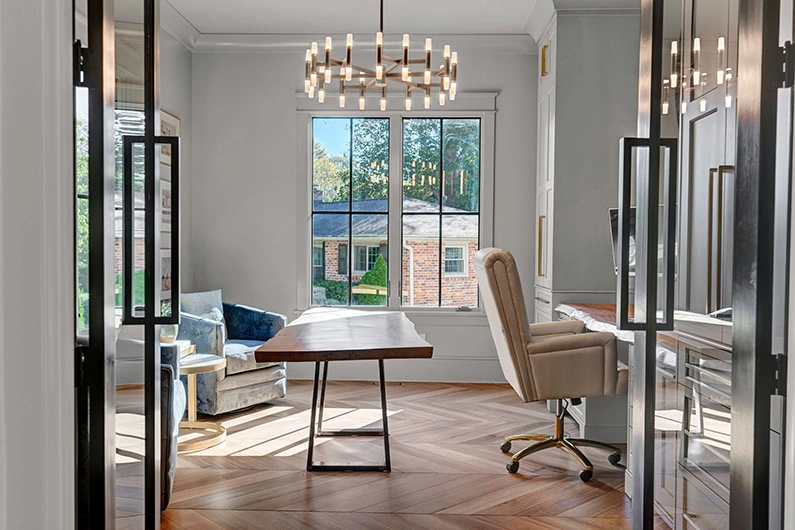
Choosing a floor is about more than just finding a surface that can survive a dropped cast-iron skillet or a muddy golden retriever. It is also about the air your family breathes. According to GREENGUARD certification standards and European environmental studies, many synthetic flooring options, like luxury vinyl tile (LVT) or cheap laminates, rely heavily on plastics and chemical adhesives that can off-gas volatile organic compounds (VOCs) into your living spaces.
Real wood flooring, by contrast, is a naturally non-toxic product. When sourced from responsible manufacturers who prioritize human and planetary health, real wood serves as the foundation for a healthy home. Selecting Non-Toxic, Sustainable Hardwood Flooring ensures that your home remains a sanctuary rather than a source of chemical exposure.
The Health and Wellness Summary
For a quick snapshot of why real hardwood timber flooring is the ultimate choice for indoor wellness, consider these core advantages:
- No Fiber or Allergen Trapping: Unlike carpets, which act as giant magnets for dust mites, pet dander, pollen, and mold spores, hardwood floors provide a flat, solid surface where allergens have nowhere to hide.
- No VOC Off-Gassing: When finished with modern, water-based, or UV-cured coatings, real wood flooring releases virtually zero harmful emissions into your indoor environment, meeting strict GREENGUARD Gold standards.
- Ease of Cleaning: Hardwood floors require only simple sweeping and occasional damp mopping with gentle, non-toxic cleaners, eliminating the need for harsh chemical shampoos.
- Lower Microbial Retention: According to European study data on material hygiene, natural wood surfaces possess natural antimicrobial properties, making it more difficult for bacteria and viruses to survive on them compared to synthetic plastics or metals.
IAQ Standards and Allergy Comparisons
To protect indoor air quality (IAQ), look for products that meet strict emission guidelines. The California Air Resources Board (CARB) Phase 2 compliance and GREENGUARD Gold certifications are excellent benchmarks. These standards guarantee that your flooring has been rigorously tested for thousands of chemical emissions, ensuring it is safe for sensitive individuals like children and the elderly.
While synthetic carpets trap dust mites and pet dander — triggering asthma and allergy flare-ups — real hardwood is hypoallergenic. It is incredibly easy to keep pristine, which means your lungs do not have to act as the secondary filter for your home.
Biophilic Design and Mental Wellness
Beyond the physical benefits, real wood has a profound psychological impact. According to European research on biophilic design and indoor environments, exposure to natural wood elements has been shown to lower heart rates, decrease blood pressure, and reduce cortisol (stress hormone) levels. Walking barefoot on a warm, textured wood floor provides a tactile connection to nature that synthetic materials simply cannot replicate. Incorporating natural wood elements into your home is a simple, beautiful way to support mental wellness and everyday peace of mind.
The Science of Durable Sustainable Wood Flooring
When evaluating the physical strength of wood, the industry relies on the Janka hardness scale. This test measures the force required to embed a 0.444-inch steel ball halfway into a piece of wood. The higher the rating, the more resistant the wood is to dents and wear. For instance, domestic species like White Oak (around 1360 Janka) and Hard Maple (around 1450 Janka) provide excellent resistance to daily foot traffic.
To find the perfect balance between wear resistance and eco-friendliness, it is helpful to look at both solid and engineered options. You can explore curated options through resources like Sustainable, Healthy Hardwood Flooring - Greenhome Solutions or browse Hardwood Flooring - Non-Toxic, Sustainable - Green Building Supply to see how various green products stack up.
Understanding the structural differences between these formats is key to choosing the right fit for your home's traffic patterns and climate.
| Feature | Solid Hardwood | Traditional Engineered Hardwood |
|---|---|---|
| Construction | One solid piece of wood from top to bottom | Multi-ply hardwood core with a top wear layer veneer |
| Dimensional Stability | Expands and contracts with humidity changes | Highly stable; cross-ply core resists warping |
| Lifespan | 50 to 100+ years (can be sanded and refinished up to 10 times) | 30 to 50 years (can be refinished 1 to 3 times depending on veneer) |
| Best For | Living rooms, bedrooms, hallways (above grade) | Basements, radiant heating systems, humid climates |
| Timber Yield | Standard yield from log | High yield (veneer uses significantly less of the tree per plank) |
Structural Stability and Innovative Engineering
Both solid and engineered options offer incredible performance when manufactured correctly. Solid Durable Wood Flooring provides unmatched longevity because it can be sanded down and refinished multiple times over its lifetime.
On the other hand, High-Performance Engineered Wood utilizes a clever cross-ply backing. By gluing multiple layers of wood grain in alternating directions, engineered planks resist the natural tendency of wood to expand and contract when exposed to moisture and temperature fluctuations. This makes engineered options ideal for installations over concrete slabs, in basements, or alongside radiant floor heating.
Modern protective finishes further enhance this durability. Factory-applied, UV-cured polyurethane sealants with aluminum oxide additives create a tough barrier against scratches and scuffs without hiding the wood's natural character. Always look for brands that offer robust structural and finish warranties, which often extend up to 50 years for residential use, proving that sustainable choices are built to last.
Environmental Integrity: Natural Regeneration and Forest Certifications
A common misconception is that harvesting wood for flooring inevitably leads to deforestation. In the United States, the reality is quite the opposite. North American hardwood forests thrive on natural regeneration rather than artificial replanting. When a mature tree is harvested, the canopy opens up, allowing sunlight to reach the forest floor. This naturally stimulates the growth of seedlings already present in the soil, ensuring the forest cycle continues without human intervention.
To verify that your flooring comes from these responsibly managed ecosystems, look for respected third-party certifications:
- FSC (Forest Stewardship Council): Ensures that the wood is harvested from forests that protect biodiversity, respect indigenous community rights, and maintain ecological processes.
- SFI (Sustainable Forestry Initiative): Promotes sustainable forest management across North America through rigorous standards and logger training programs.
Sourcing Durable Sustainable Wood Flooring Responsibly
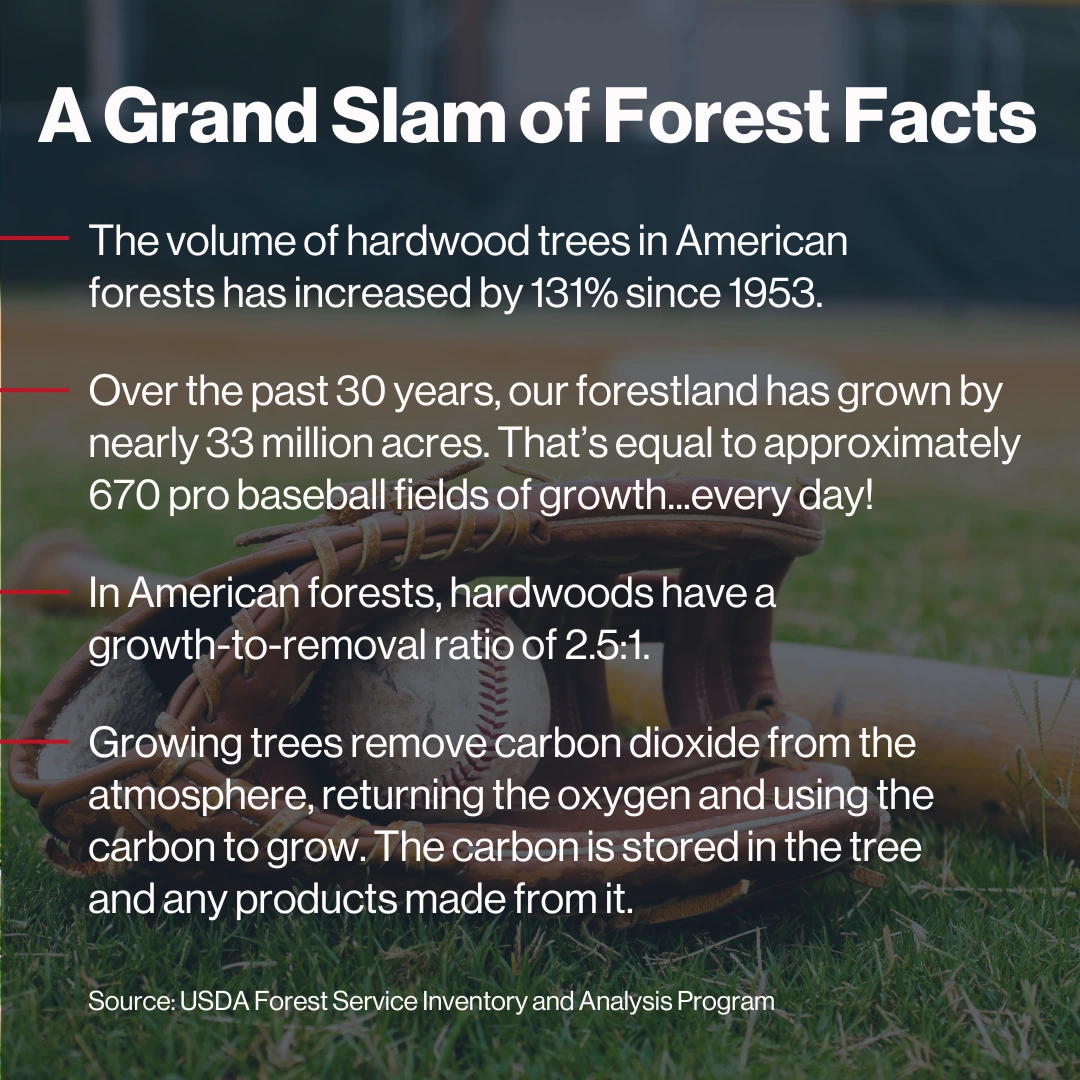
By sourcing your flooring locally from U.S. forests, you are supporting a highly regulated industry that prioritizes long-term ecological balance. According to USDA Forest Service data, the volume of hardwood in U.S. forests has increased by over 130% since the mid-20th century. The growth-to-harvest ratio remains highly favorable, meaning we grow far more wood than we harvest each year.
To learn more about how these managed woodlands act as a shield against climate change, explore the resources on Carbon Capturing Hardwood Forests and see how active forestry keeps our air clean.
Choosing certified wood guarantees that your home improvement project does not contribute to global forest degradation. If you are looking for trusted suppliers who offer verified eco-friendly products, check out Eco-Friendly Hardwood Flooring | Sustainable Wood Styles to browse styles that meet strict environmental standards.
Carbon Sequestration and Wood Innovations
One of the most compelling reasons to choose real wood is its natural ability to store carbon. According to USDA reports and European environmental studies, trees absorb carbon dioxide from the atmosphere through photosynthesis, locking it away in their wood fibers. When that wood is manufactured into flooring, that carbon remains safely stored inside your home for decades. This makes wood a naturally carbon-negative material, especially compared to synthetic flooring like vinyl or laminate, which require massive amounts of fossil fuels to produce.
The forest products industry is also embracing exciting innovations to maximize efficiency:
- Thermally Modified Wood: By heating wood in an oxygen-free chamber, manufacturers alter its cellular structure, making it highly resistant to moisture, rot, and insects without using toxic chemicals.
- Biochar & Biofuels: Any waste generated during the milling process — such as sawdust and wood chips — is repurposed into organic soil amendments (biochar) or clean bioenergy, ensuring that virtually zero waste goes to landfills.
To dive deeper into how wood products act as a "carbon bank" for our planet, check out the detailed research on Renewable Lumber Carbon Benefits.
Selecting the Right Species and Grades for Busy Homes

When shopping for flooring, it is helpful to understand the fundamental difference between hardwood and softwood. Hardwoods come from deciduous trees (broad-leaved trees like oak, maple, and walnut), which grow slowly and develop dense, tightly packed wood fibers. Softwoods come from coniferous trees (evergreens like pine and fir) and are typically used for structural framing rather than heavy-use flooring surfaces.
For a busy household with kids, pets, and heavy foot traffic, sticking to domestic hardwoods with solid Janka ratings is the best way to ensure your floor remains gorgeous over the long haul.
Domestic Hardwood Species and NHLA Grading for Durable Sustainable Wood Flooring
To find the perfect look and performance level for your home, consult the Domestic Hardwood Species Complete Guide. Each species offers a unique grain pattern and natural color profile:
- Oak (White and Red): The gold standard of flooring. White Oak has a tight, linear grain and excellent water resistance, while Red Oak offers warm, reddish undertones and a highly textured grain that hides minor scratches beautifully.
- Hard Maple: Incredibly dense and uniform, Maple has a clean, contemporary look with subtle swirling patterns. It is so tough that it is the standard choice for professional basketball courts!
- Hickory: The undisputed champion of domestic hardness (with a Janka rating of around 1820). Hickory features dramatic color variations from pale cream to deep brown, making it perfect for rustic or high-character designs.
- Walnut: A softer option (around 1010 Janka) but highly prized for its rich, chocolate-brown tones and elegant grain. It is best suited for lower-traffic areas or homes without large pets.
When choosing your planks, you will also encounter grading standards set by the National Hardwood Lumber Association (NHLA). Understanding these grades helps you match the wood's appearance to your design goals:
- FAS (First and Seconds): This grade represents the cleanest, most uniform wood cuts, with minimal knots or color variations. It is ideal for sleek, modern, or formal spaces.
- Common Grades (No. 1 and No. 2): Often referred to as "character grade," these planks feature natural knots, mineral streaks, and varied grain patterns. For a busy family home, common grades are a fantastic choice because the natural character easily hides everyday wear, scuffs, and dings.
By choosing domestic hardwoods, you are also supporting a holistic forestry industry that utilizes every part of the tree. The same forests that produce your beautiful flooring also supply raw materials for architectural molding, elegant trim, durable cypress siding, and even high-strength hickory-handled tools.
Frequently Asked Questions about Durable Sustainable Wood Flooring
What makes engineered hardwood more sustainable than solid hardwood?
Engineered hardwood is highly resource-efficient because of how the planks are manufactured. Instead of using a solid piece of timber for the entire thickness of the board, engineered flooring uses a thin, high-quality hardwood veneer over a structural core made of fast-growing woods or recycled wood fibers.
This means that a single log can produce up to ten times more flooring planks when sliced into veneers than when milled into solid boards. This process maximizes the timber yield of slow-growing, premium trees, preserving our forests while still delivering the authentic look and feel of real wood underfoot. To learn more about this process, read our guide on Engineered Timber Flooring.
How do modern manufacturing and protective finishes improve the durability and water resistance of real hardwood?
Modern manufacturing utilizes advanced, multi-layer cross-ply engineering to prevent wood from warping, cupping, or gapping when exposed to seasonal humidity changes. Additionally, state-of-the-art factory finishes provide incredible surface protection.
These finishes often feature UV-cured polyurethanes infused with aluminum oxide, creating a microscopic shield that resists scratches, scuffs, and spills. Some advanced engineered floors also feature specialized locking joints that prevent liquid spills from seeping between the planks, giving busy families plenty of time to clean up accidental messes without worrying about moisture damage.
To see an example of a high-performance, hardened engineered floor designed to handle heavy commercial and residential traffic, take a look at the technical specifications for Woodura Planks YXENHULT 3.0 M Terra Brown <2026- Bjelin .
What certifications should buyers look for to ensure low-VOC wood flooring?
To guarantee that your new floors support healthy indoor air quality, look for products certified by trusted independent organizations. The most important certifications include FloorScore (which tests flooring materials for compliance with strict indoor air quality standards), CARB Phase 2 (which regulates formaldehyde emissions in composite wood products), and GREENGUARD Gold (which ensures products are safe for sensitive environments like schools and healthcare facilities). Choosing products that meet these rigorous standards ensures your home remains free of harmful chemical off-gassing.
Conclusion
Investing in your home's flooring is a major decision, but choosing durable sustainable wood flooring ensures you are making a choice that benefits your family, your finances, and the planet. By selecting real American hardwood, you are choosing a material built on the five core pillars of the Real American Hardwood Coalition: Home, Health, Durability, Value, and the Environment.
Real wood floors offer unmatched longevity, improve indoor air quality, and bring the calming, biophilic beauty of the outdoors inside. They are a truly renewable resource sourced from forests that grow faster than they are harvested, capturing carbon and keeping it locked away for generations.
Ready to transform your home with a floor that is both green and incredibly tough? Build Your World with Real American Hardwood and find the perfect match for your busy lifestyle today.